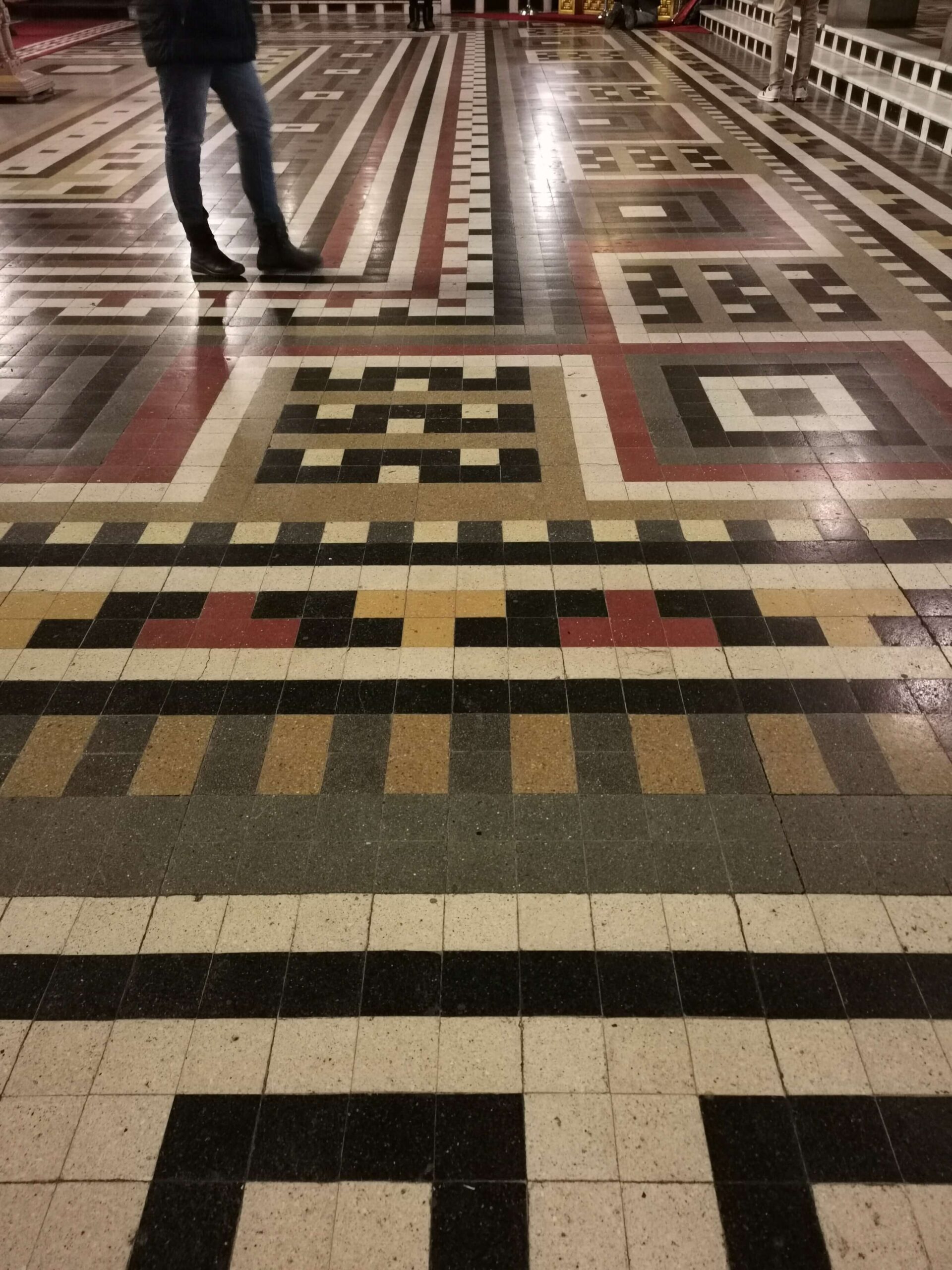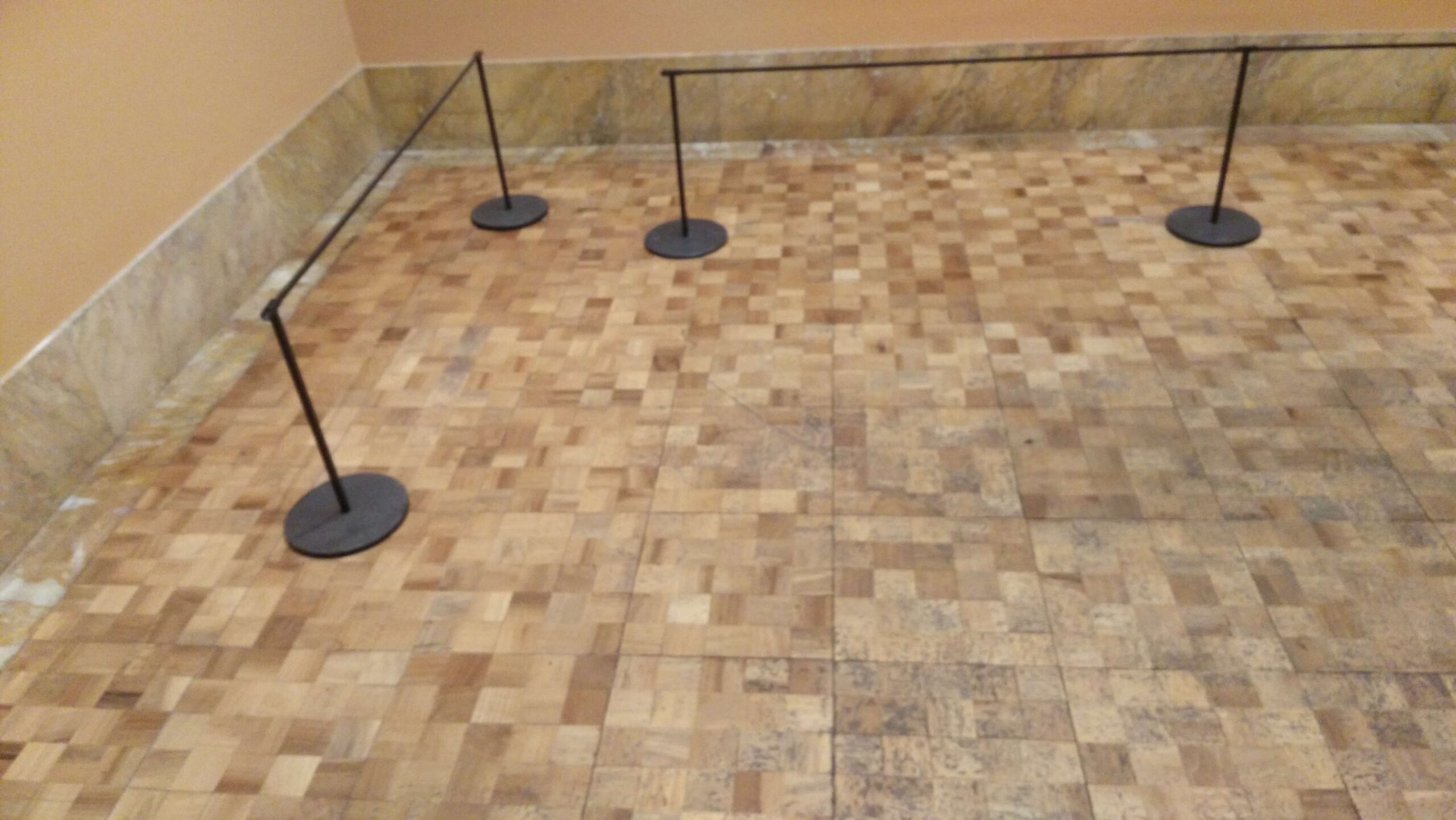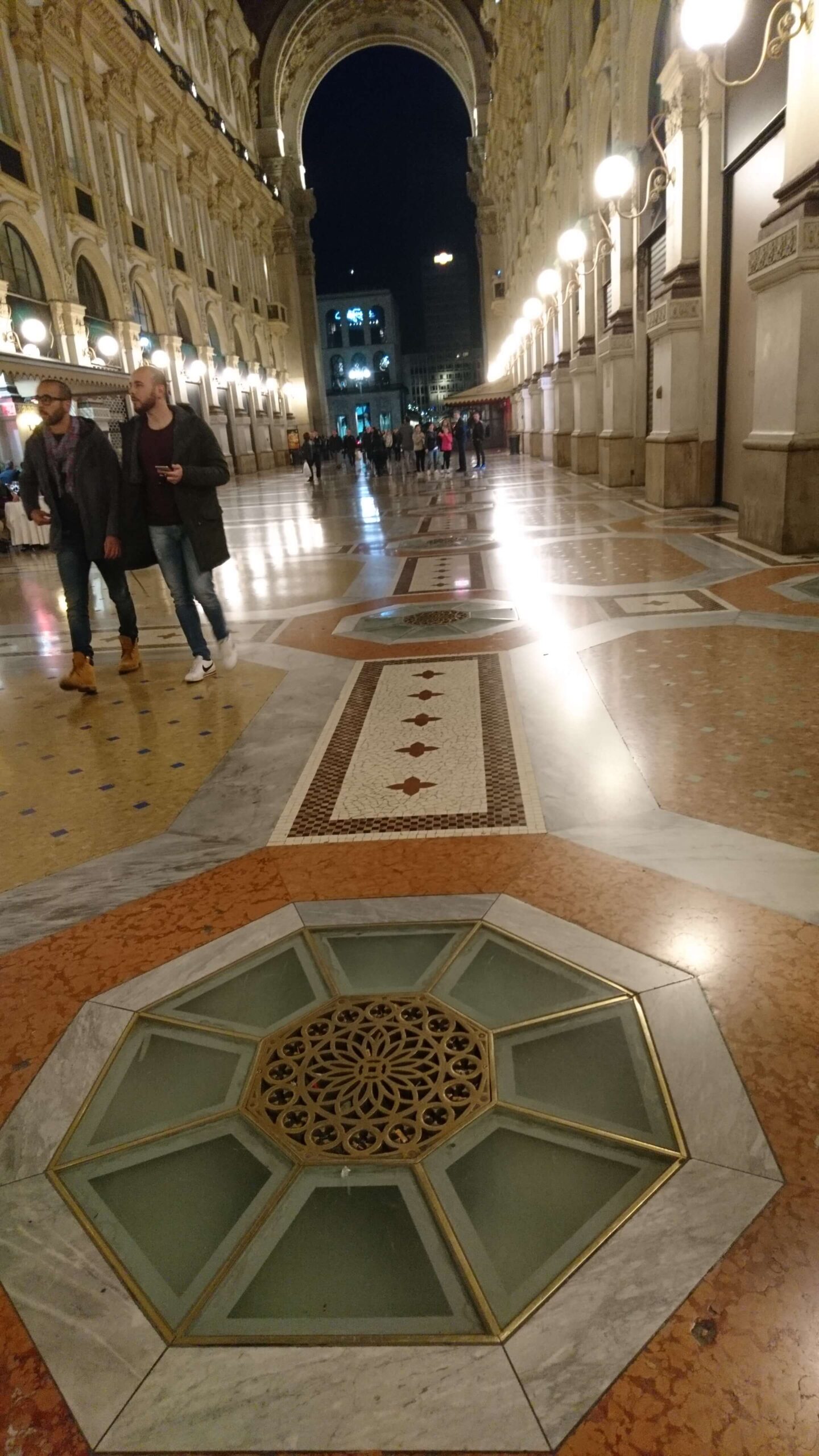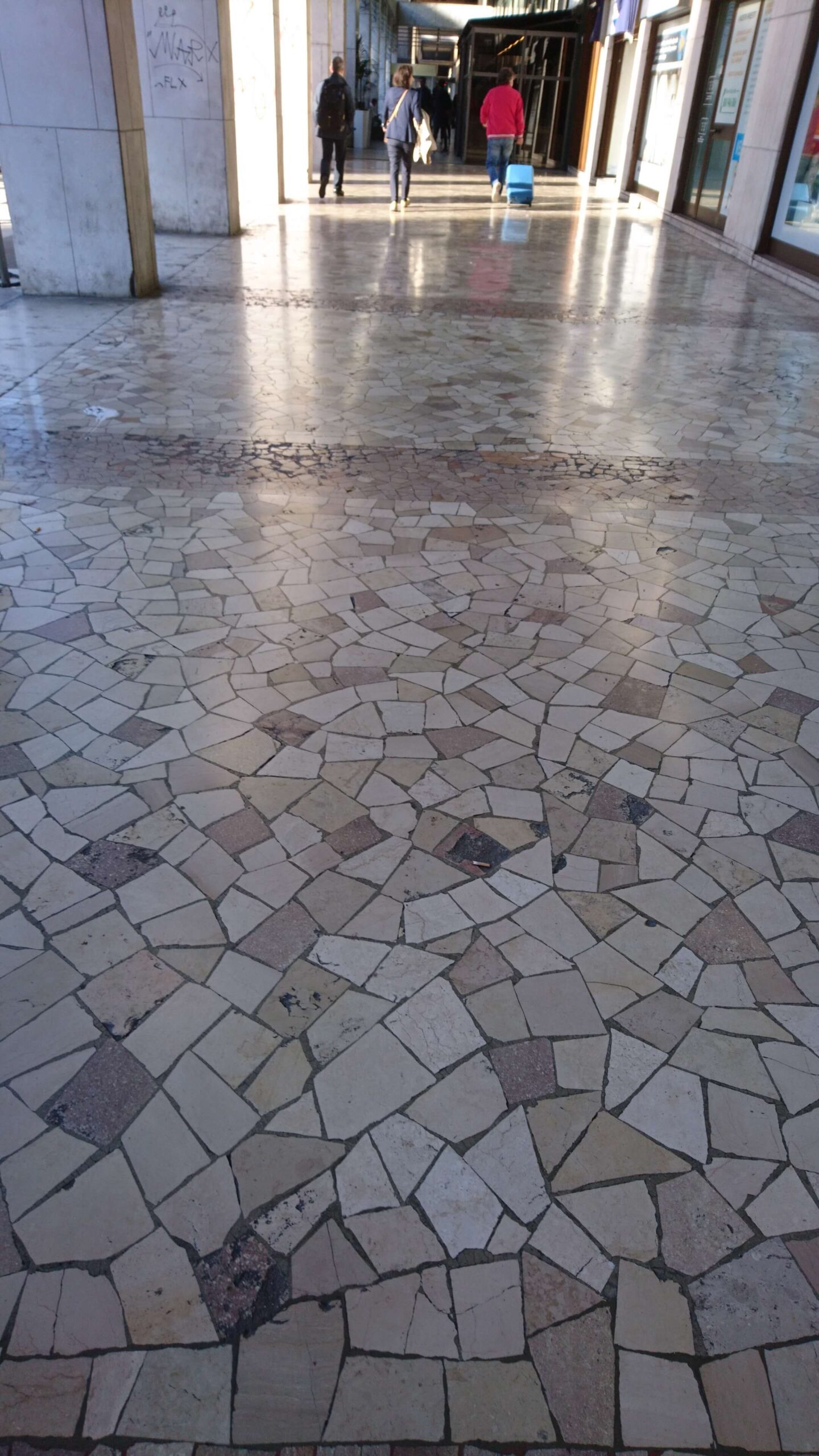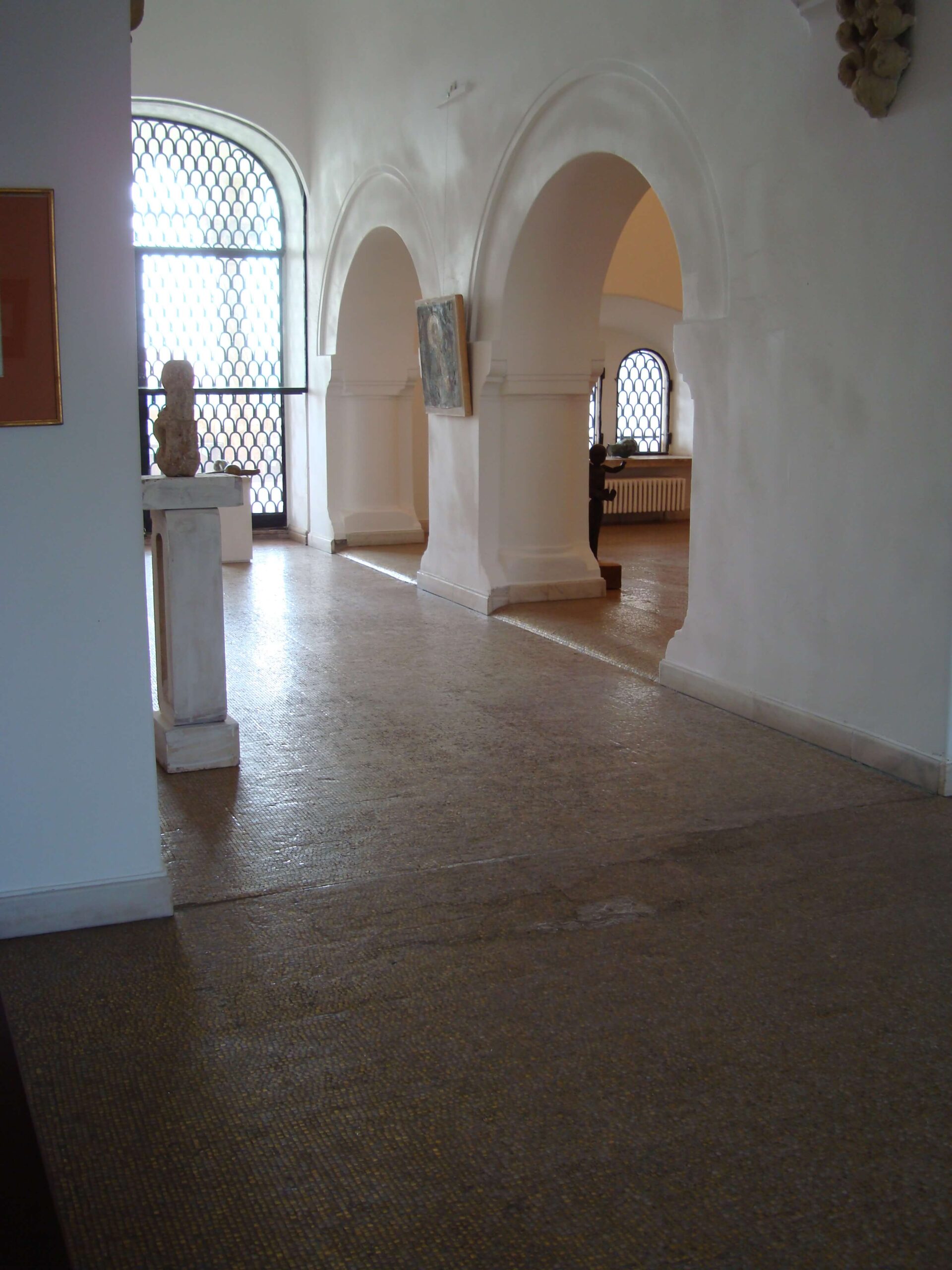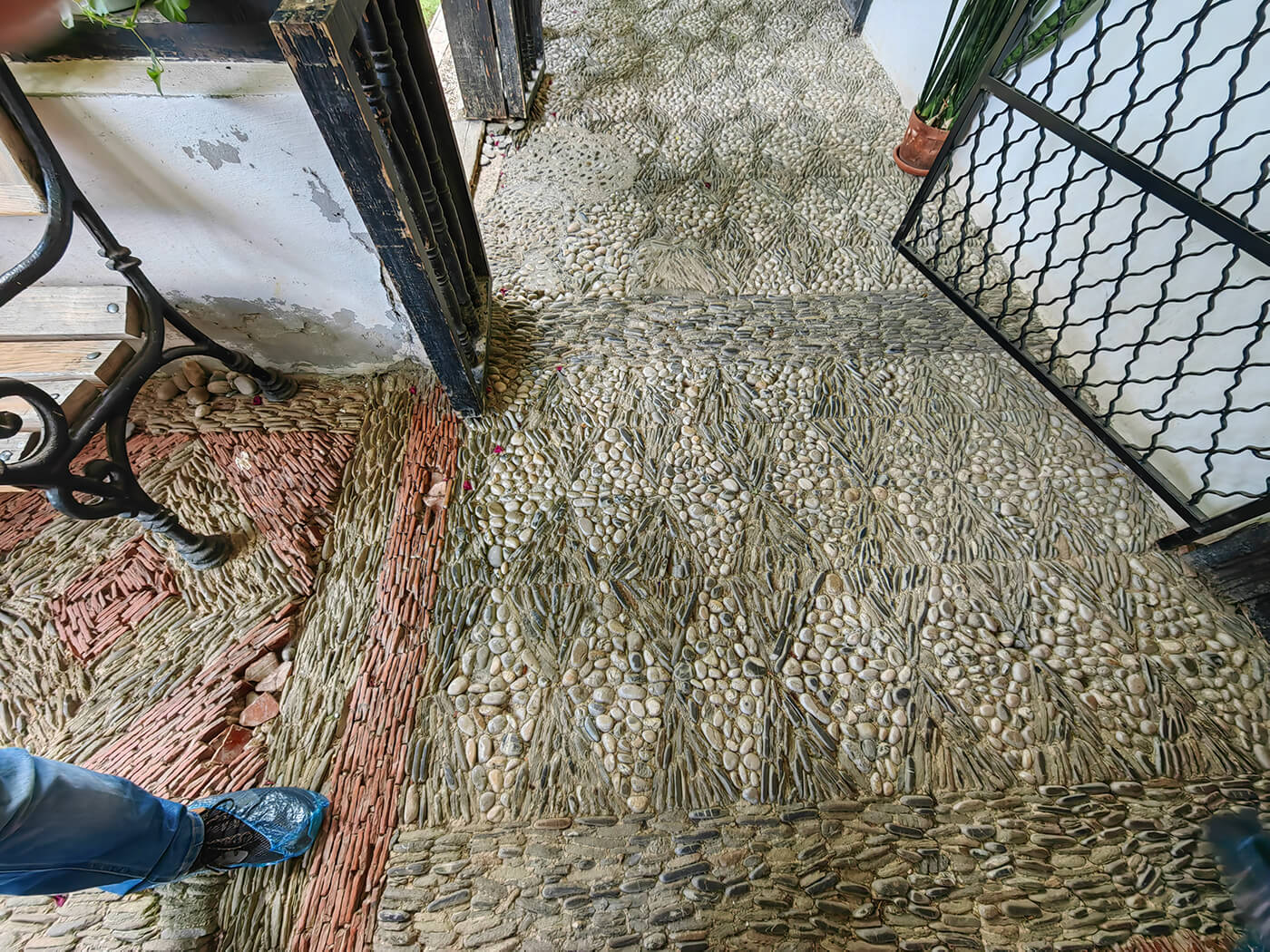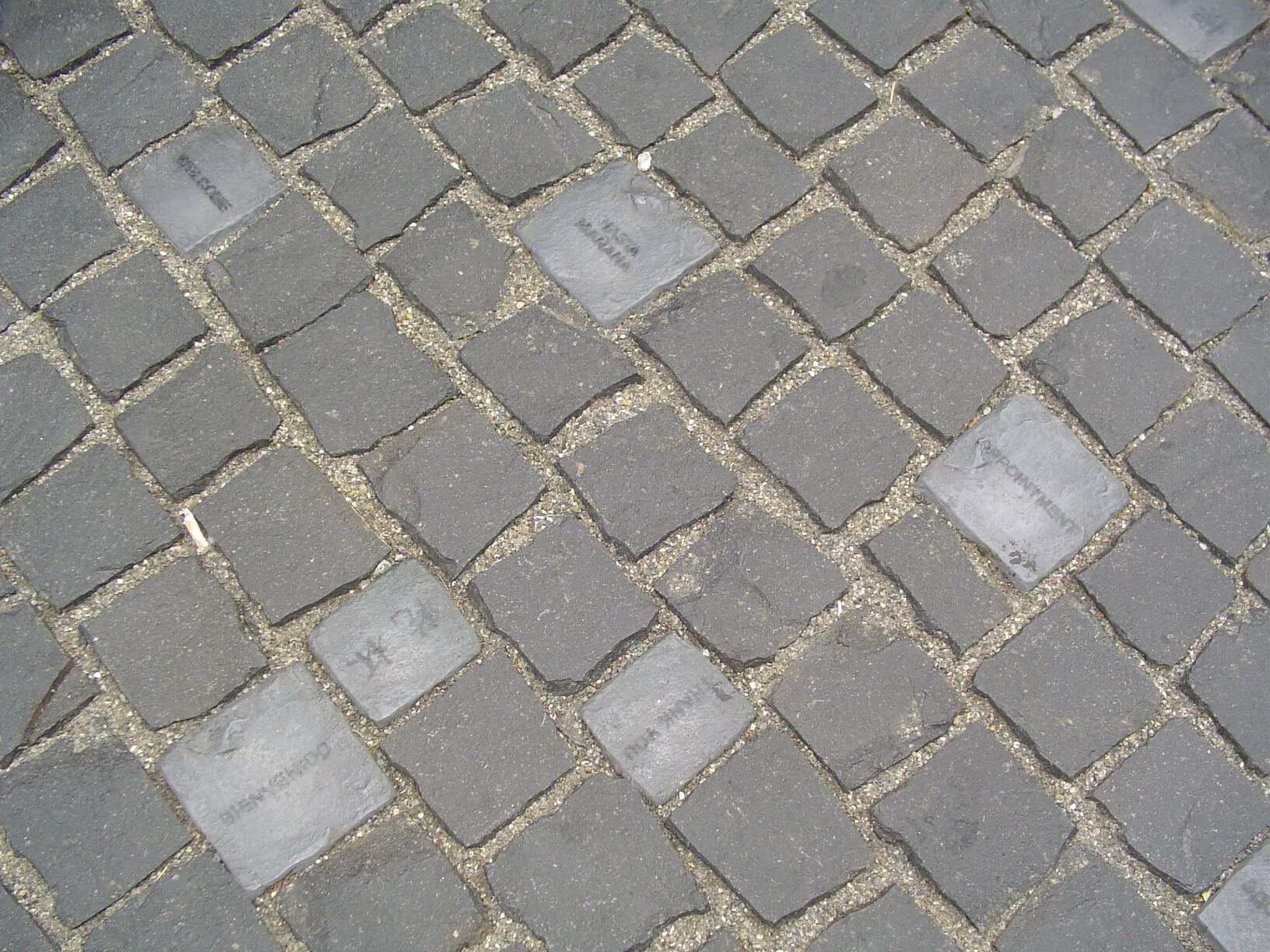

Even though I have mentioned this statistic before, the World Health Organization (WHO) estimates that 37,3 million people are injured each year due to tripping or slipping on floors, and 684.000 of them lose their lives.
As a result, domestic accidents are considered the second leading cause of accidental death worldwide, following traffic accidents.
Like stairs, floors are a part of the evacuation routes, meaning that they must be designed considering safety in use as a priority: preventing slipping but preventing over-adherence as well (we can trip if the adherence is over evaluated). In other words, they need to be right.
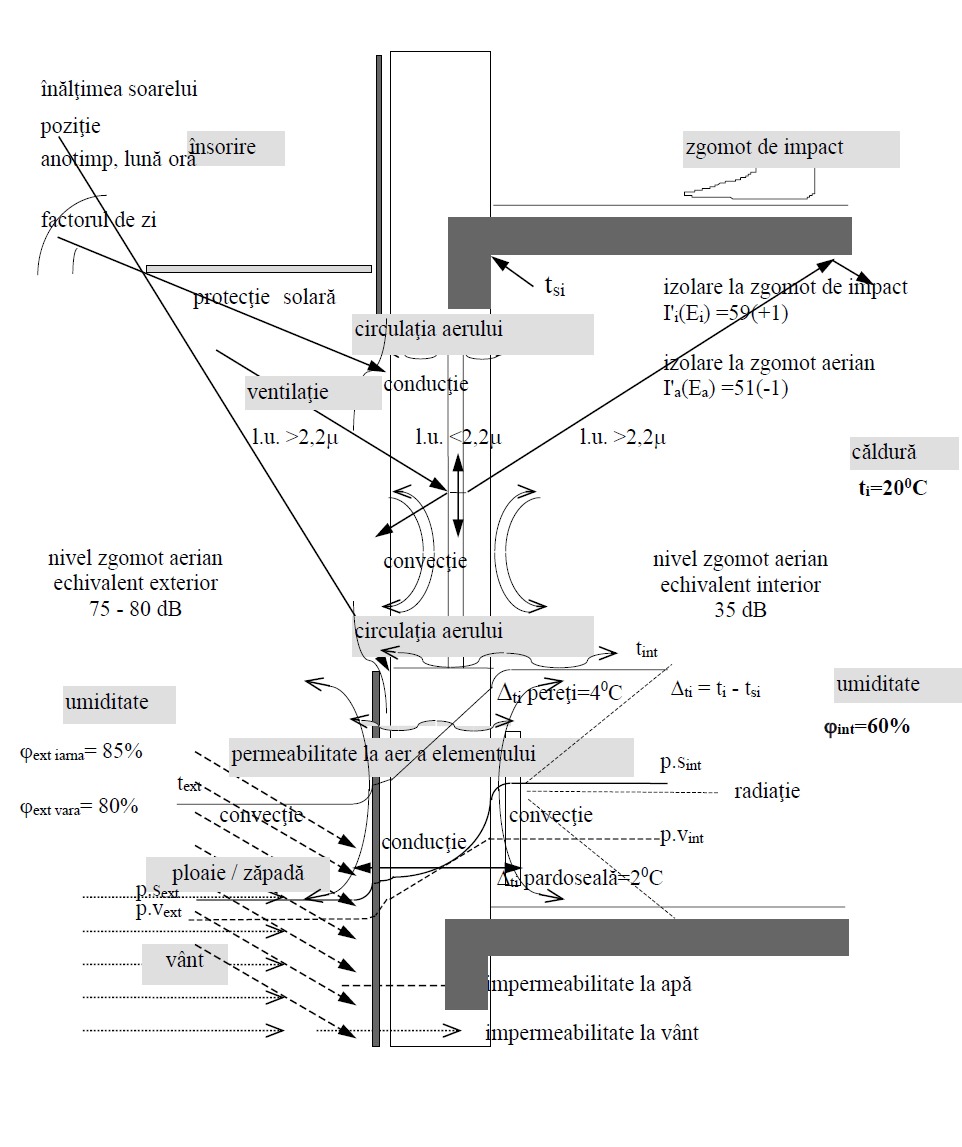
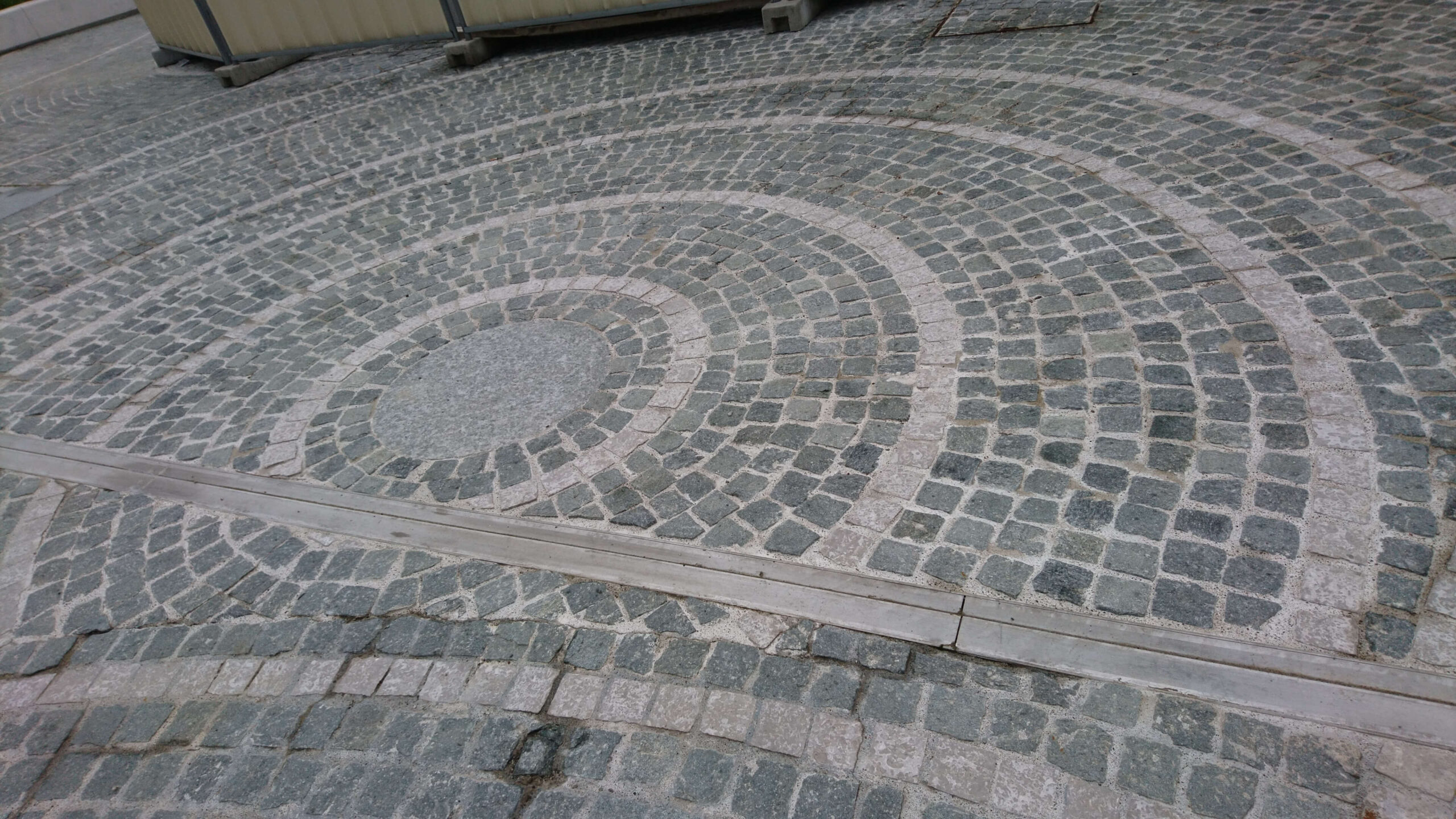
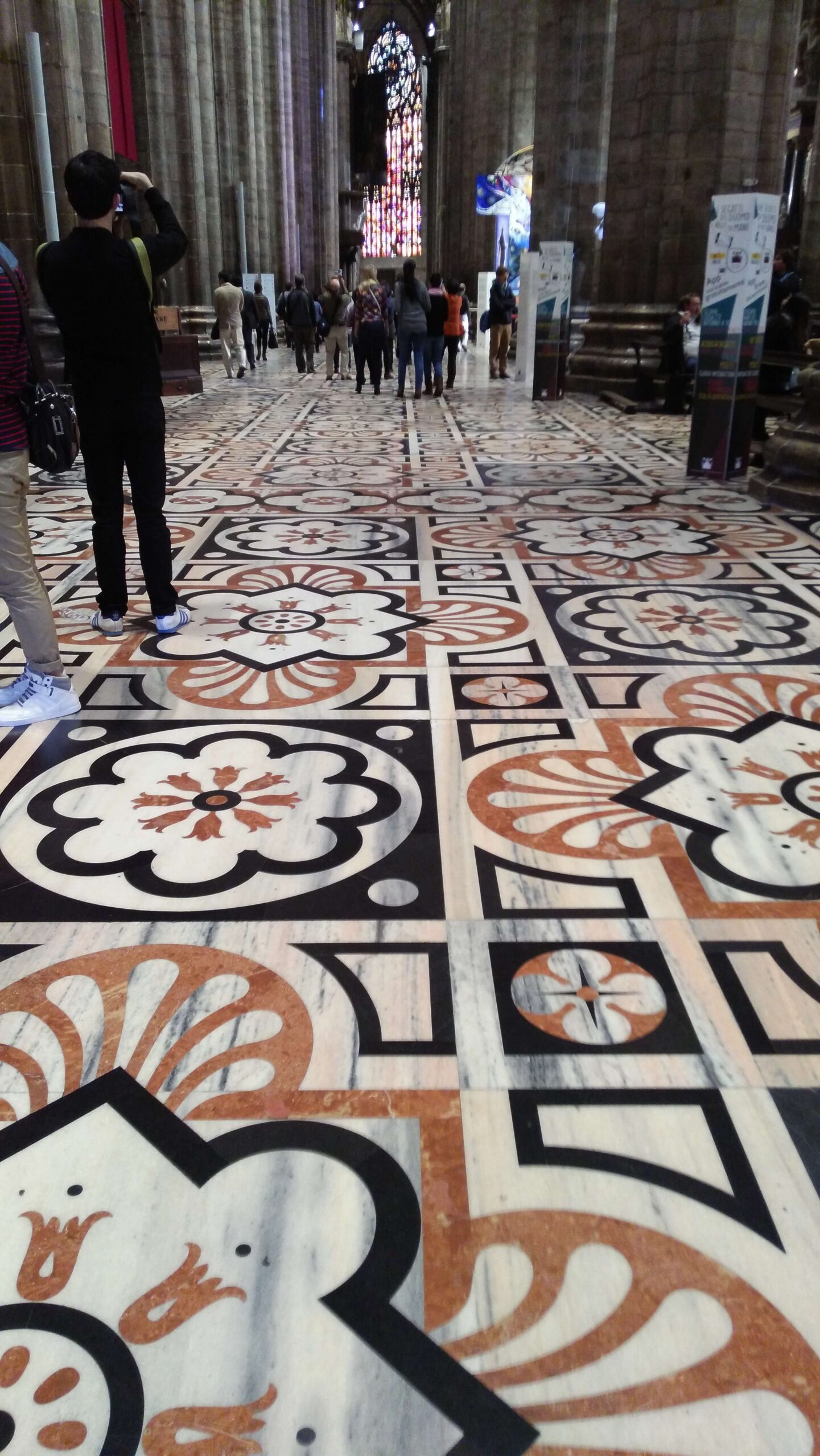
Even though a floor is typically named after its wear layer—stone, wood, ceramic, glass, concrete—its full structure serves many additional functions: thermal insulation, waterproofing, soundproofing, and more. Each of these layers is included based on specific design requirements and often involves custom solutions, as every project has unique details.
Just like with ceilings, the space beneath the finished floor can conceal various equipment: a hidden network of active systems that enhance indoor comfort and about which the end user is completely unaware of (and doesn’t need to be). However, the designer must not only be aware of them but also allocate proper space for their integration.
Wherever active and passive systems coexist, effective communication between specialists is critical. Otherwise, solutions are compromised and the ultimate loser is the end-user—whether human or not.
This course is not exclusively for architects but for all partners involved in the construction process—designers, contractors, system manufacturers, technical university students, and anyone eager to learn more.
And here’s a fun fact: raised floors (also known as technical floors) and underfloor heating systems, often considered inventions of the late 20th century, actually date back 5.000 to 7.000 years!