
Who makes mistakes? Where and to what extent?
I wrote a book about failures: Degradation of the building envelopes (you can find it on my website, you can download it for free: here) but I will take from one of the chapters a fragment that can also be applied to this proposed course module, since it presents "the causes that underlie some common degradations in construction. Their reduction is a condition for increasing the performance of building components and implicitly its durability.
Perhaps it is appropriate to make a brief digression here into European construction legislation: during the eighth decade of the last century, a new approach to the process of designing, constructing, and using buildings was initiated. This was a systemic, prescriptive rather than descriptive approach (where solutions are explicitly defined). Given the technological progress recorded in all fields related to the construction sector, the need for a different approach became evident—especially (or initially) in the United States—based on the concept of performance (in the sense of a qualitative functional index of a technical system), where the phrase “a building or any of its components must be designed and constructed in such a way that…” is obsessively repeated.
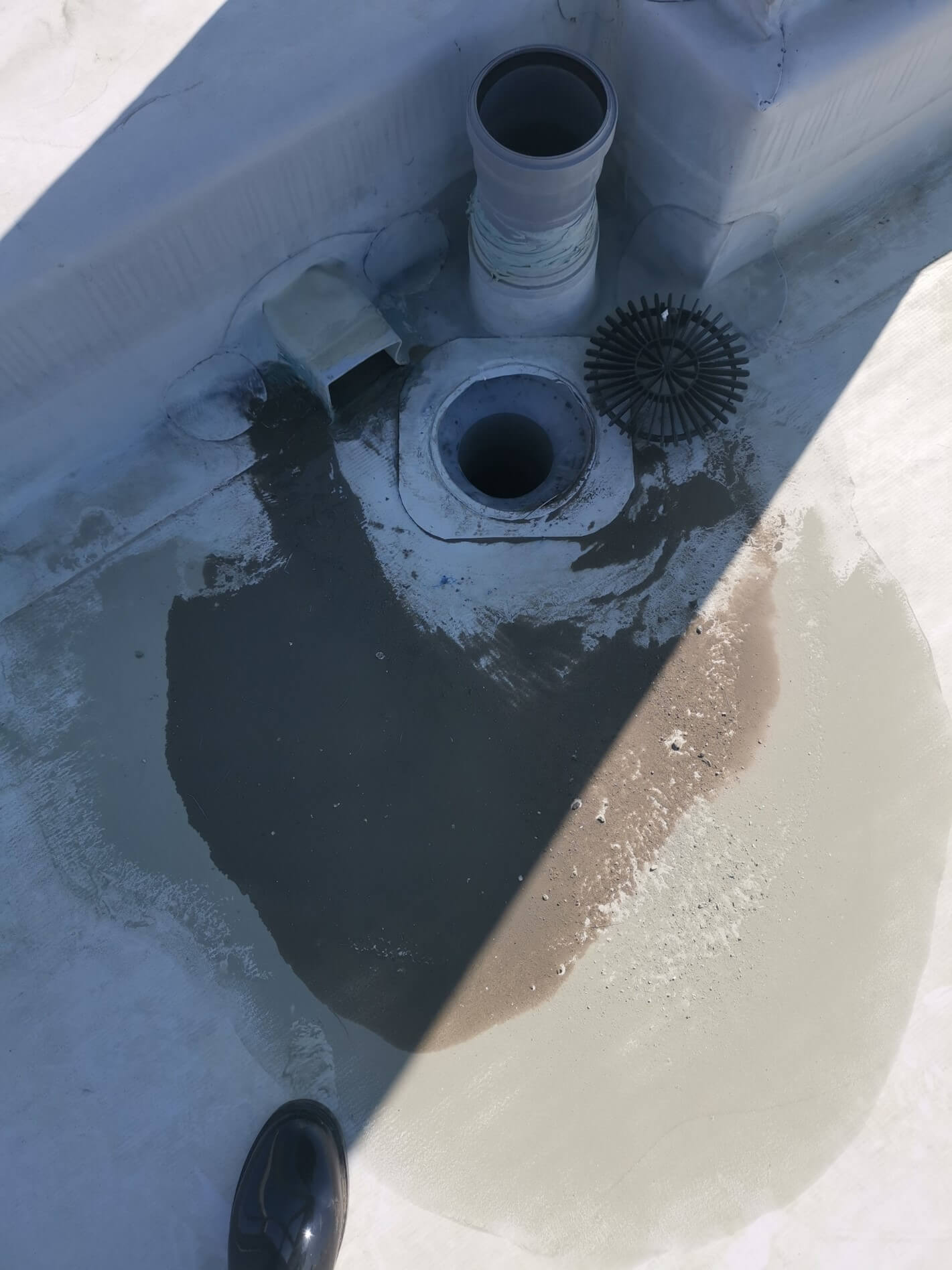
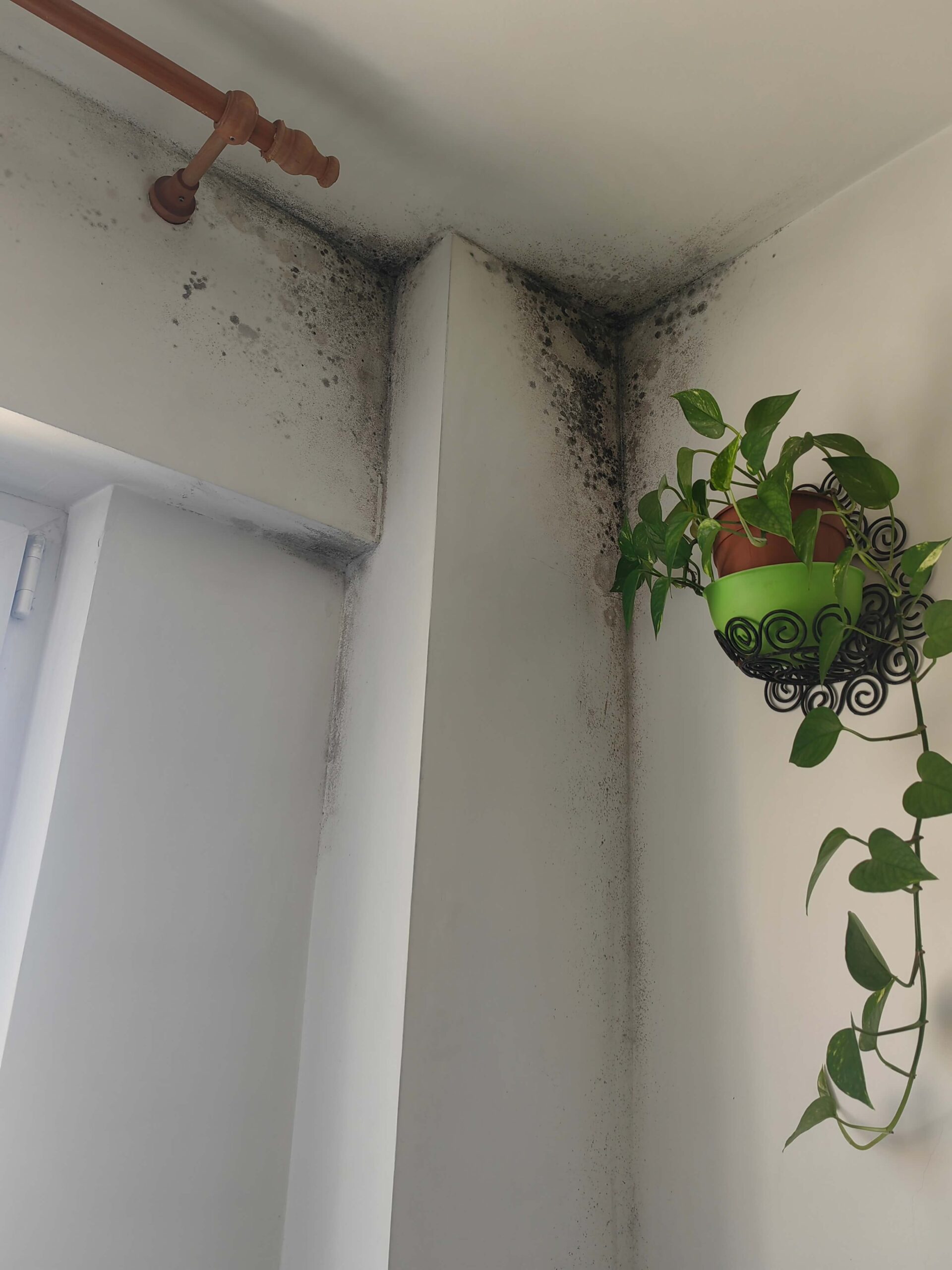
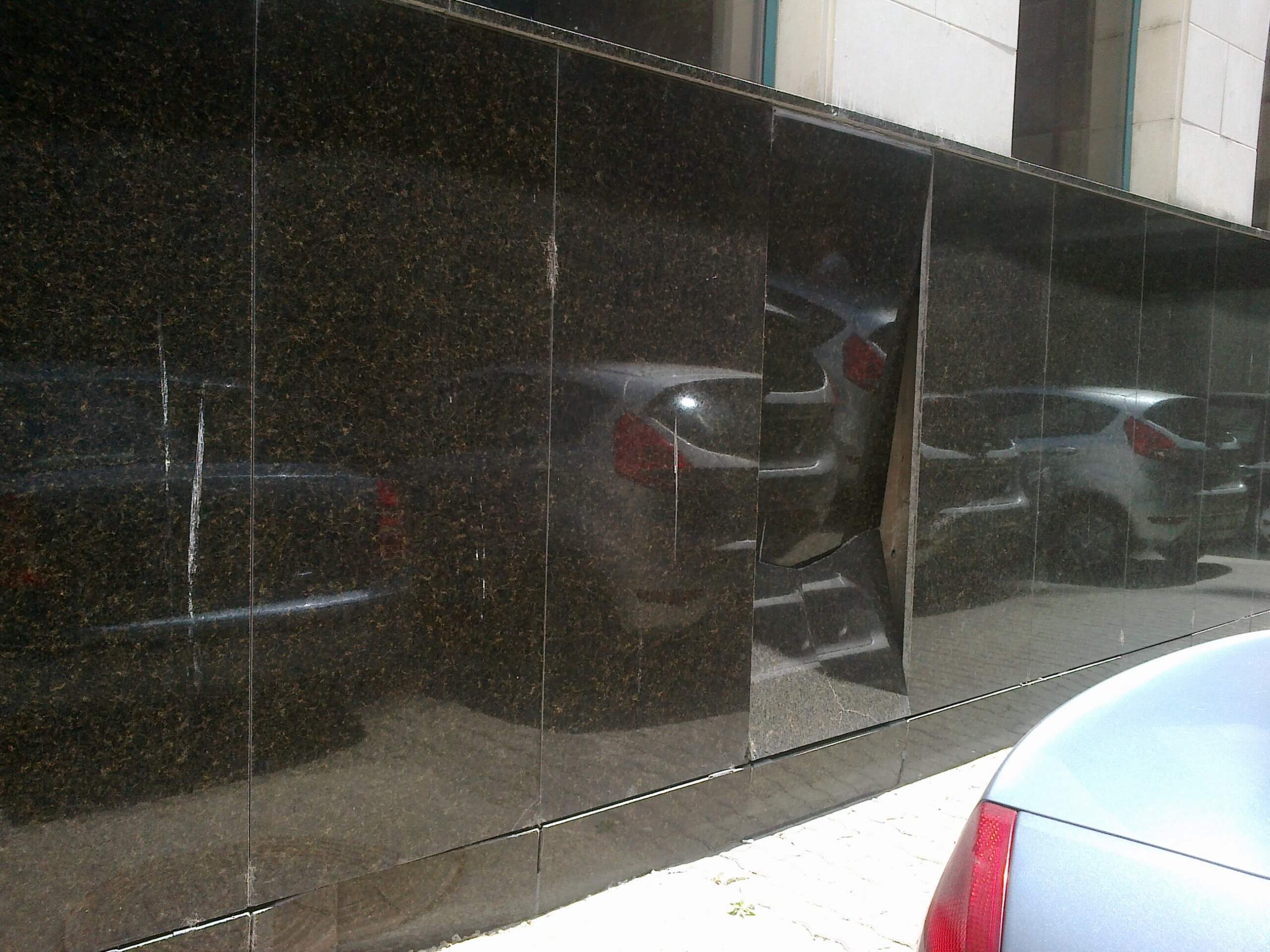
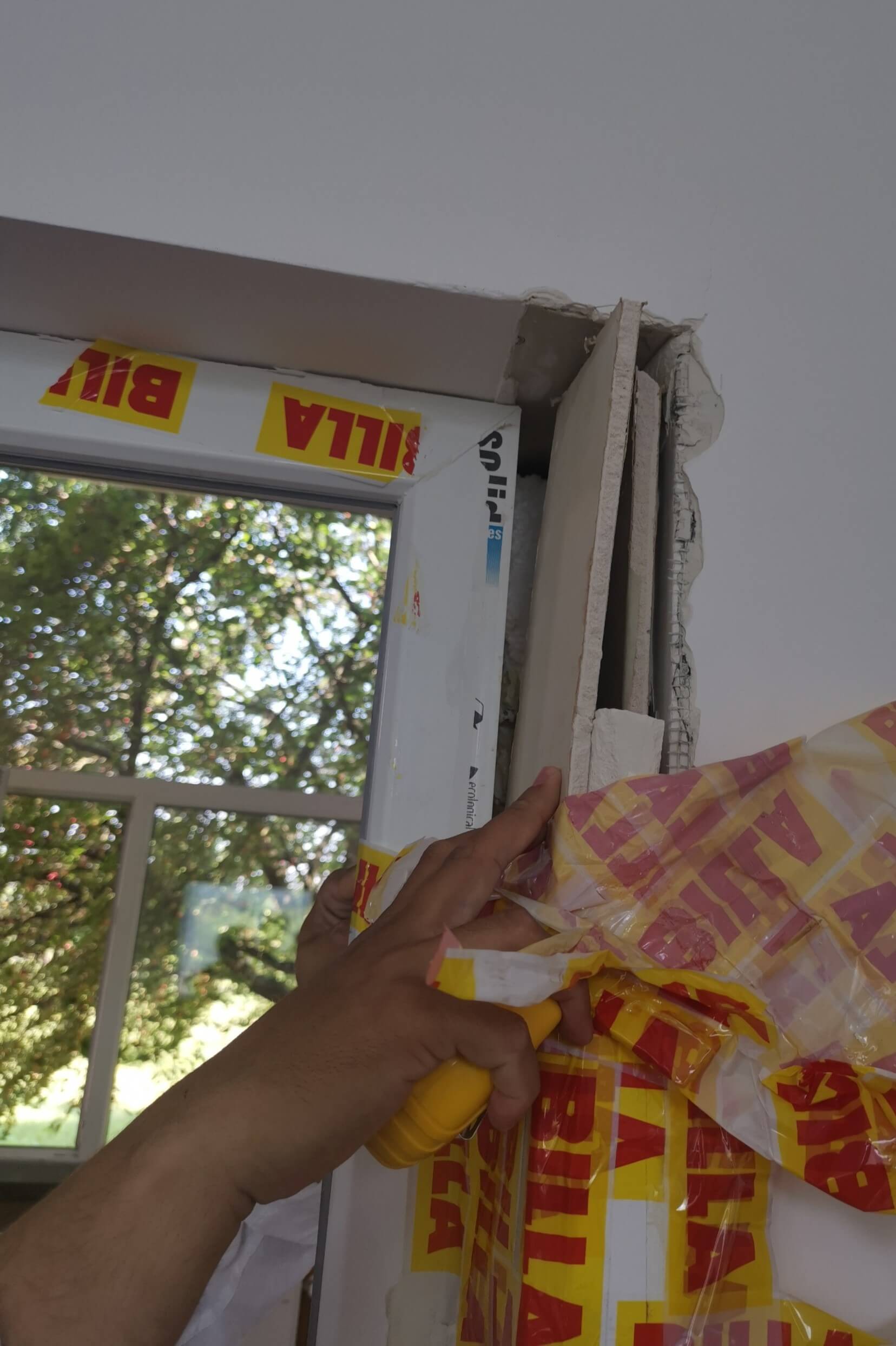
The course is like looking through a mirror: after learning how things should be done correctly, we will examine what can happen when, for various reasons (which will be analyzed), things are done incorrectly. This applies to all levels of responsibility: design, execution, and operation.
This course is not intended exclusively for architects but for all those involved in the process of constructing a building—designers, contractors, system manufacturers, students in technical faculties, and anyone curious to learn something new.