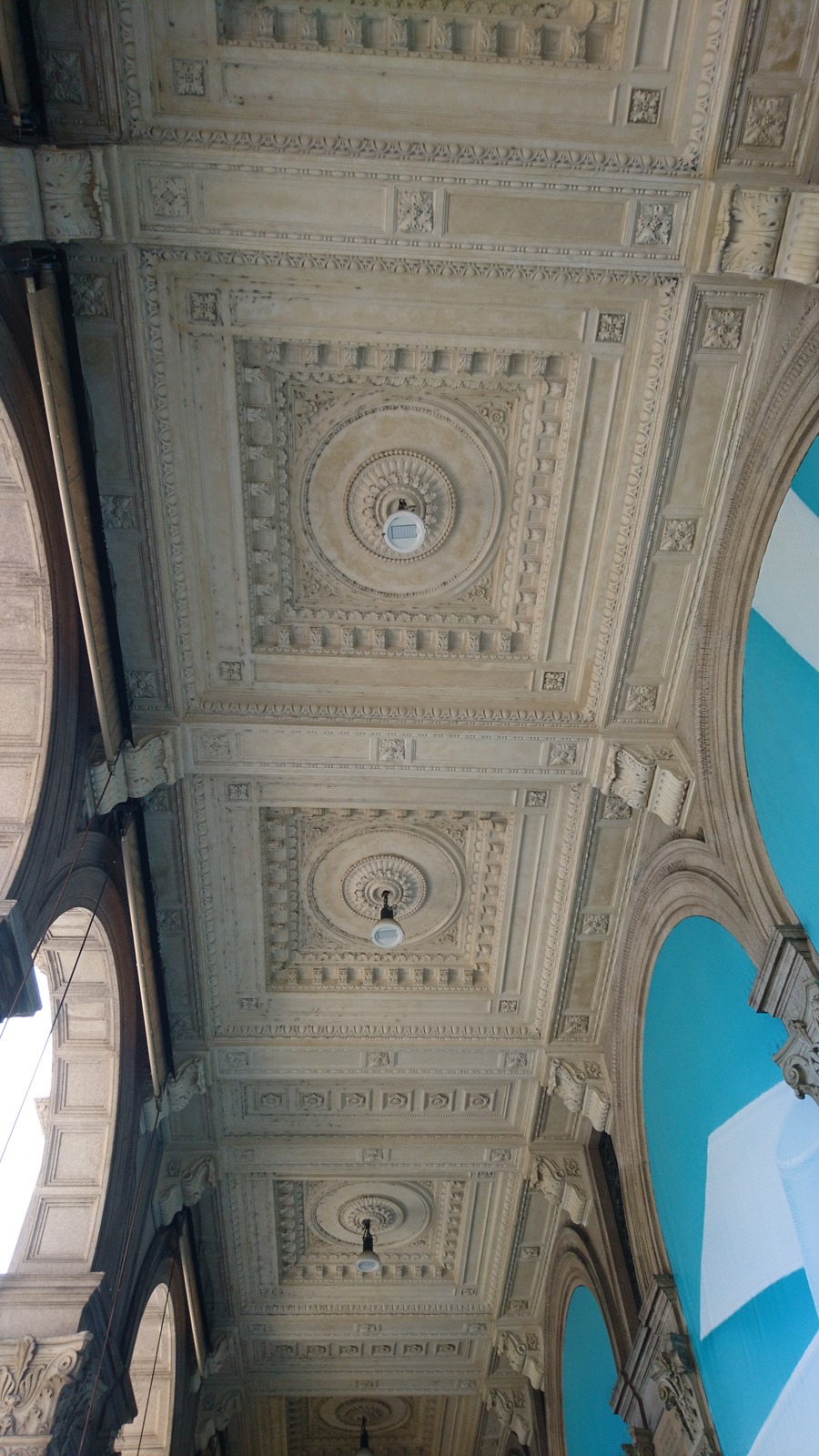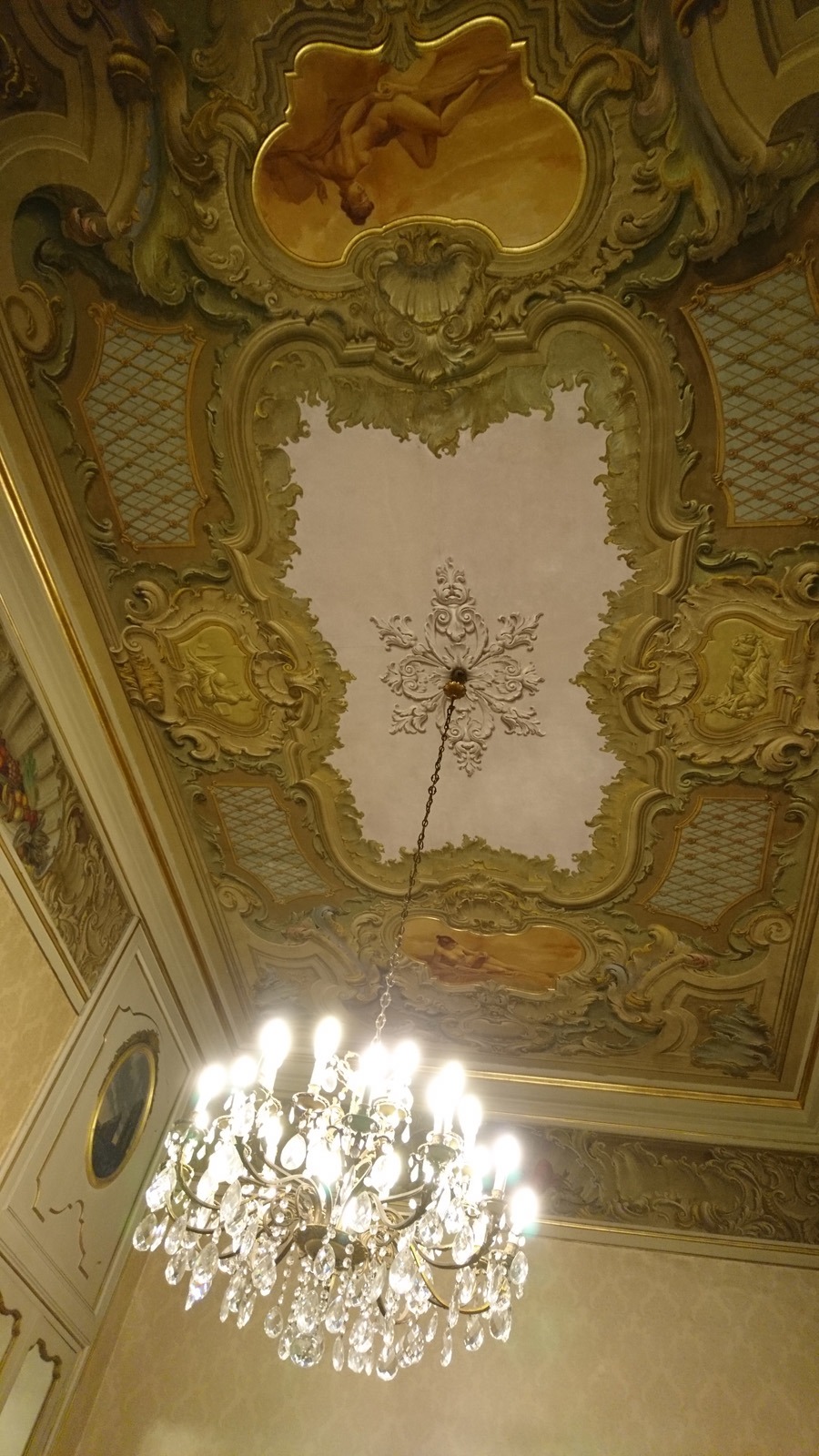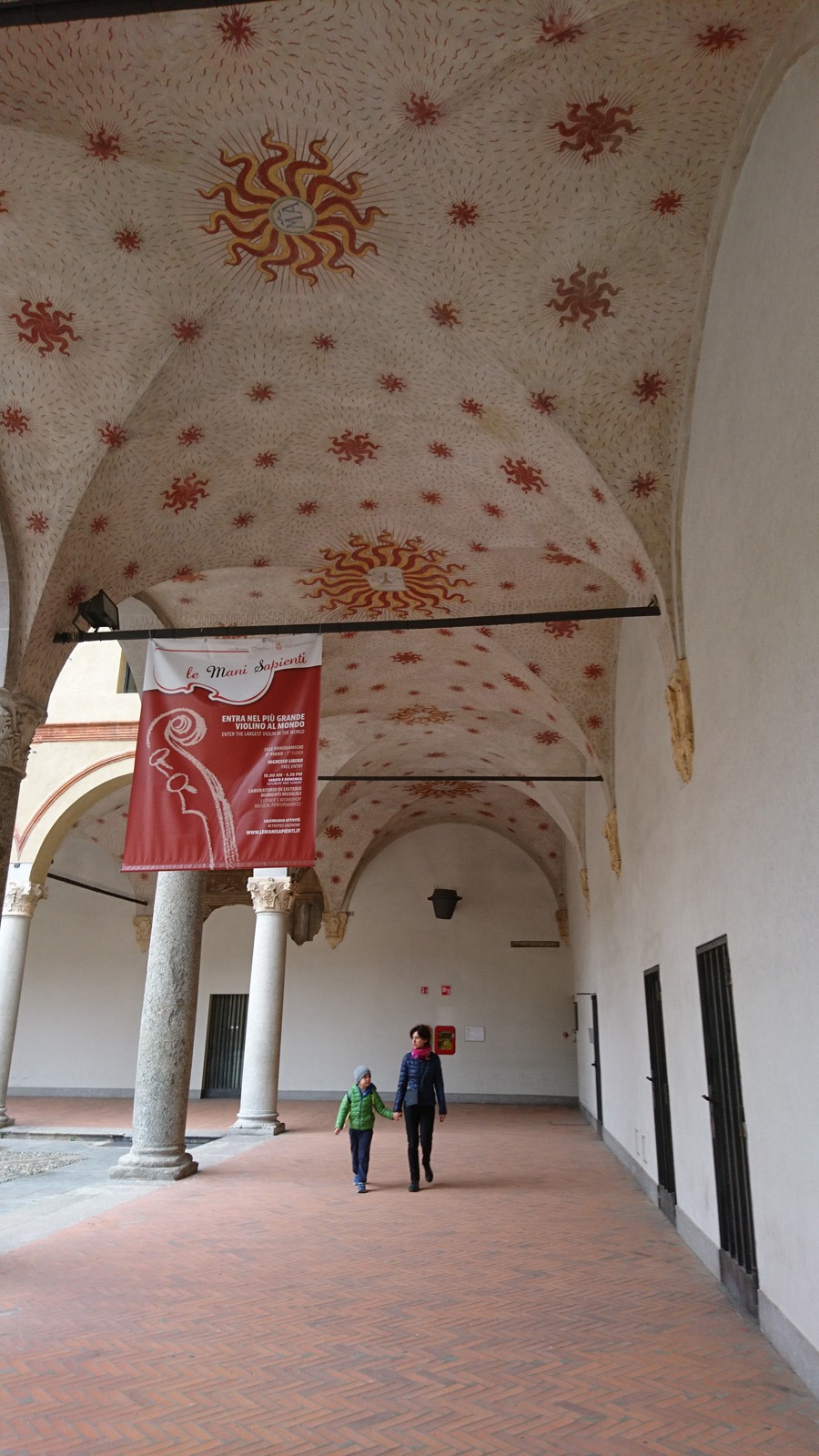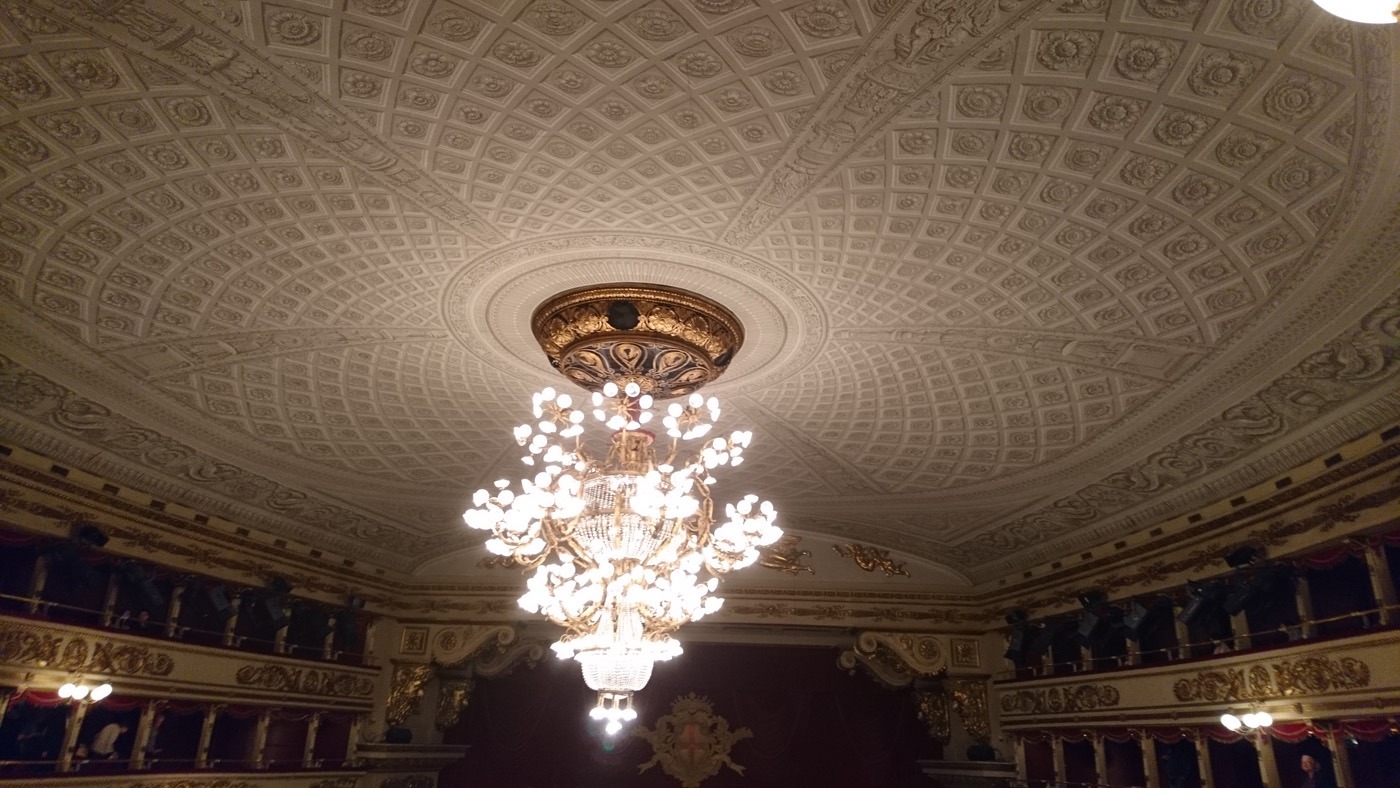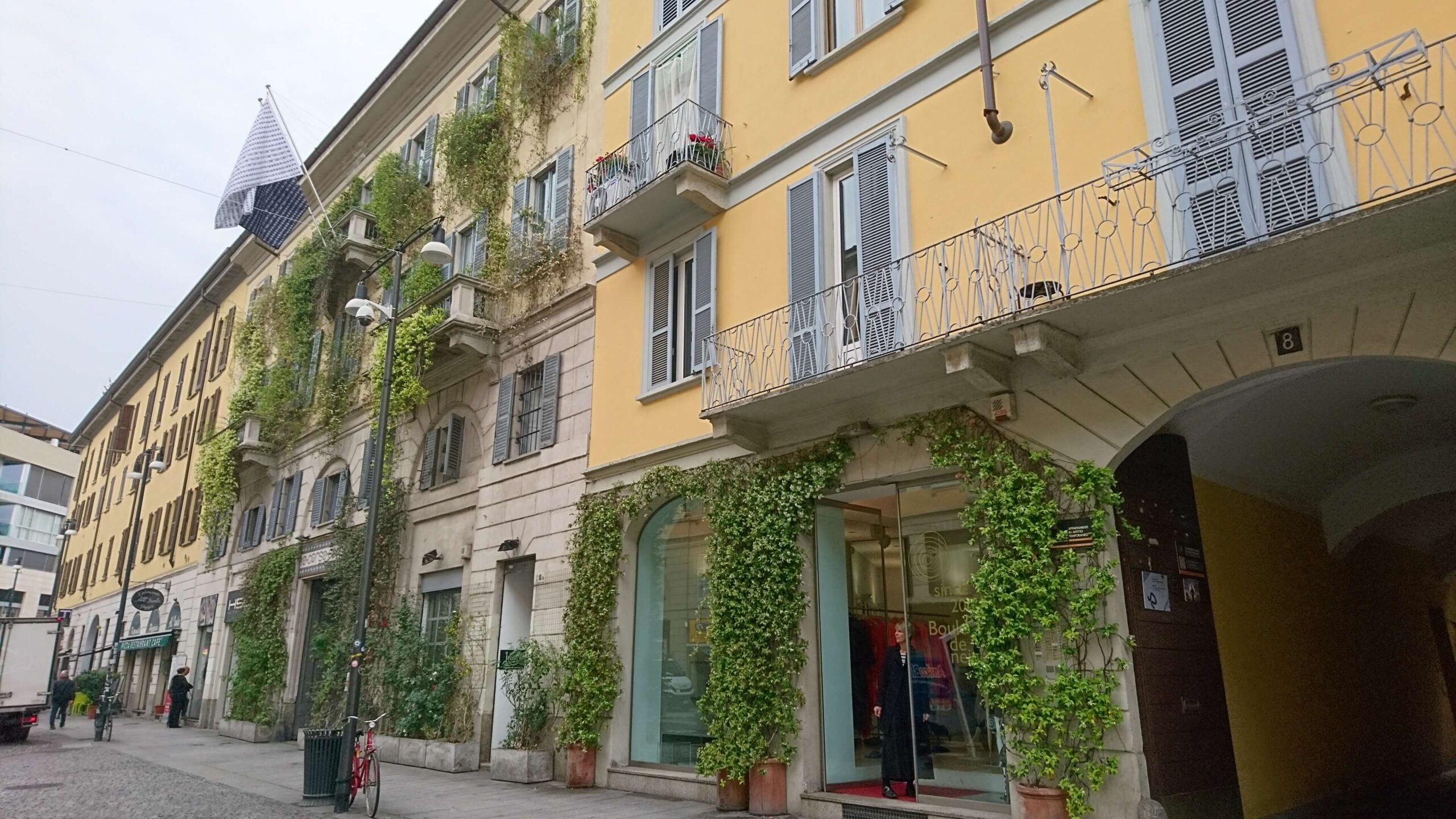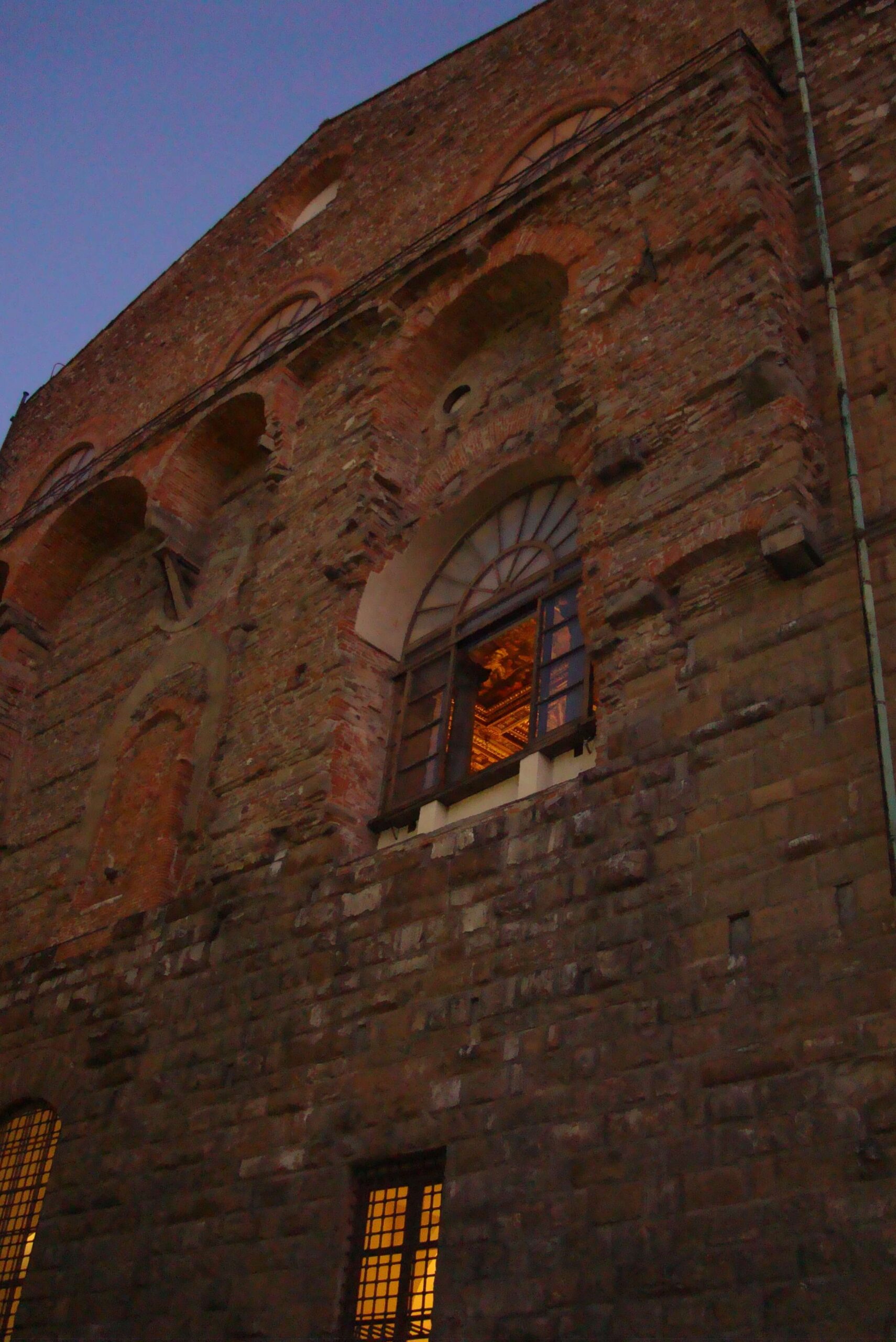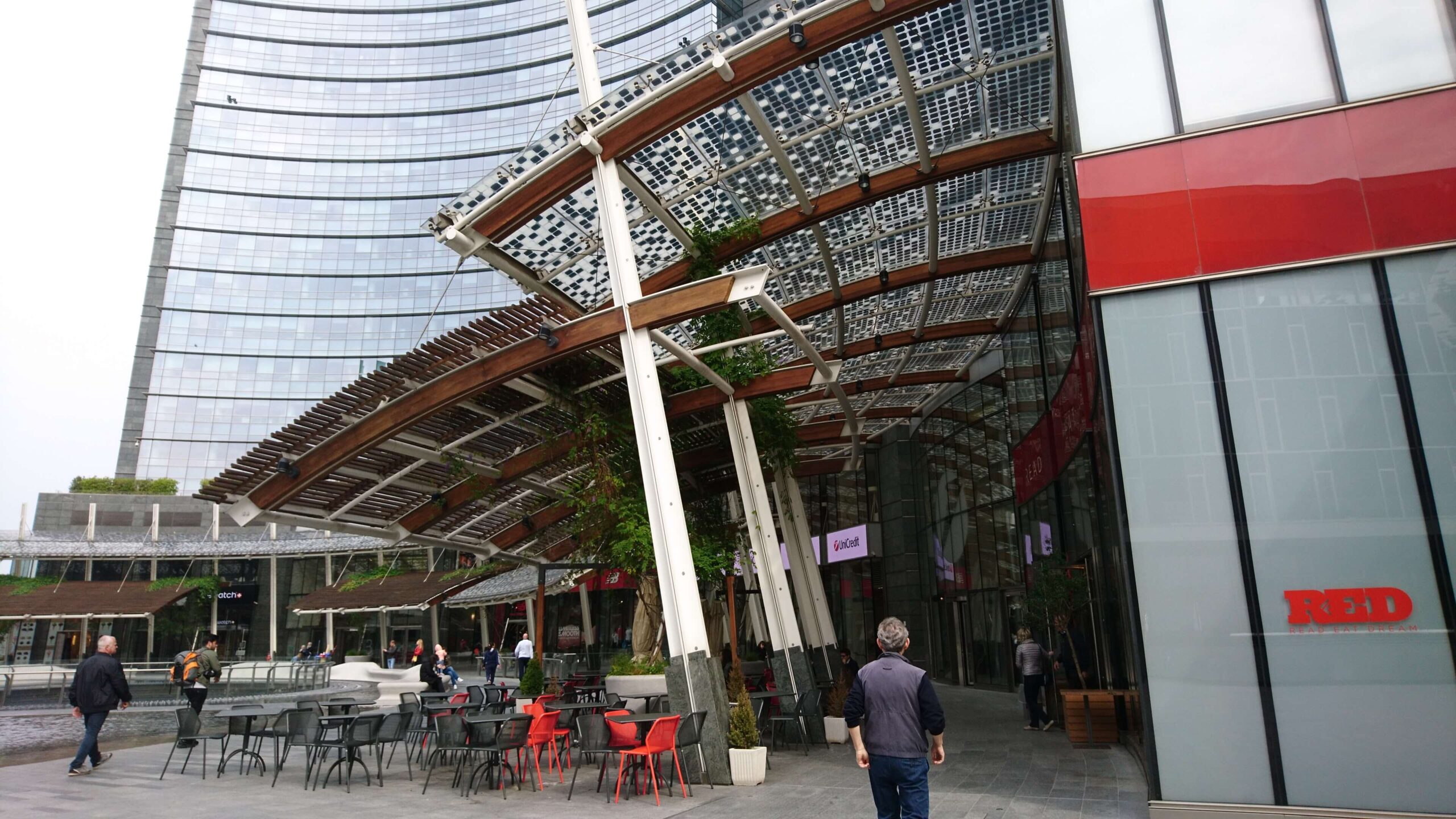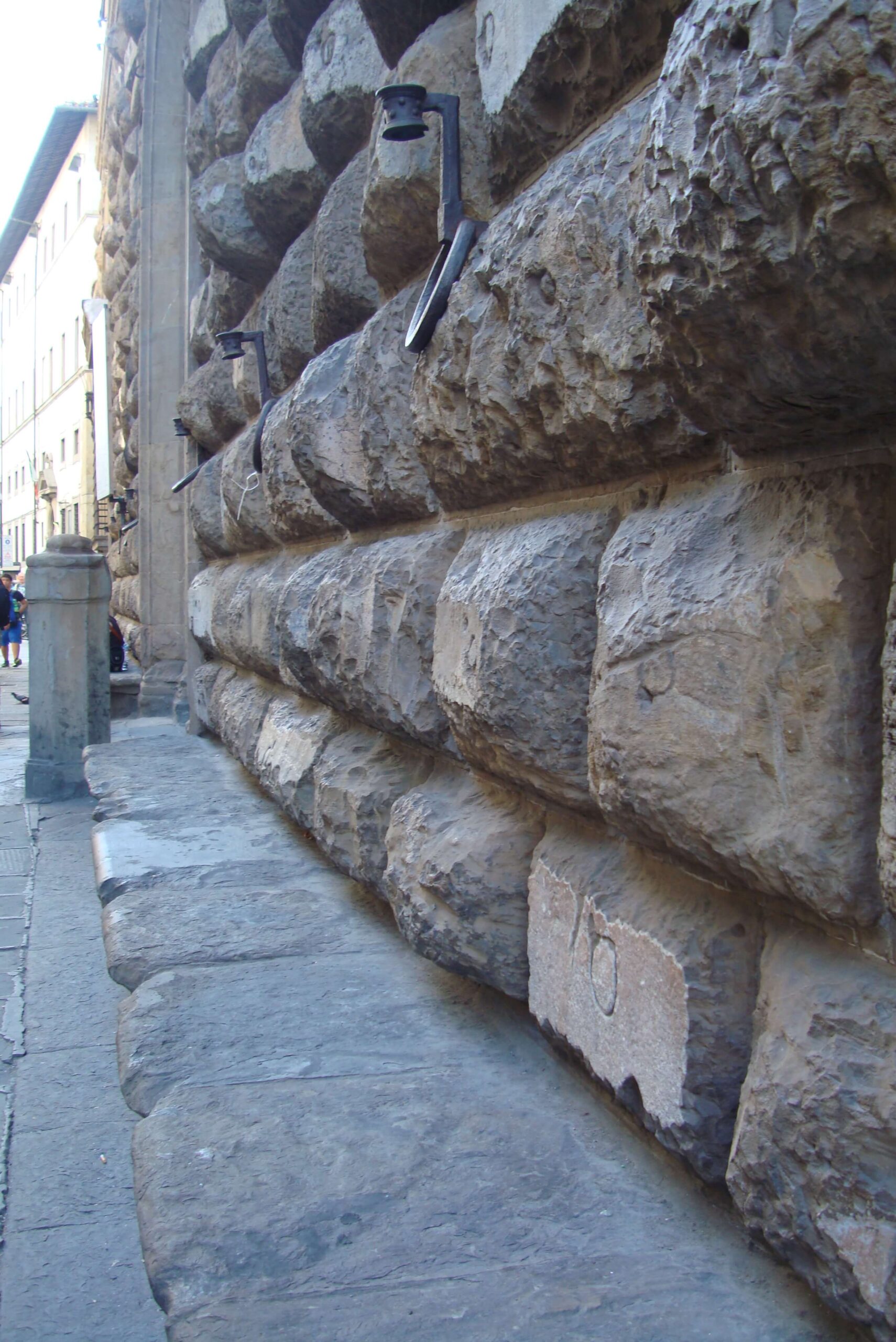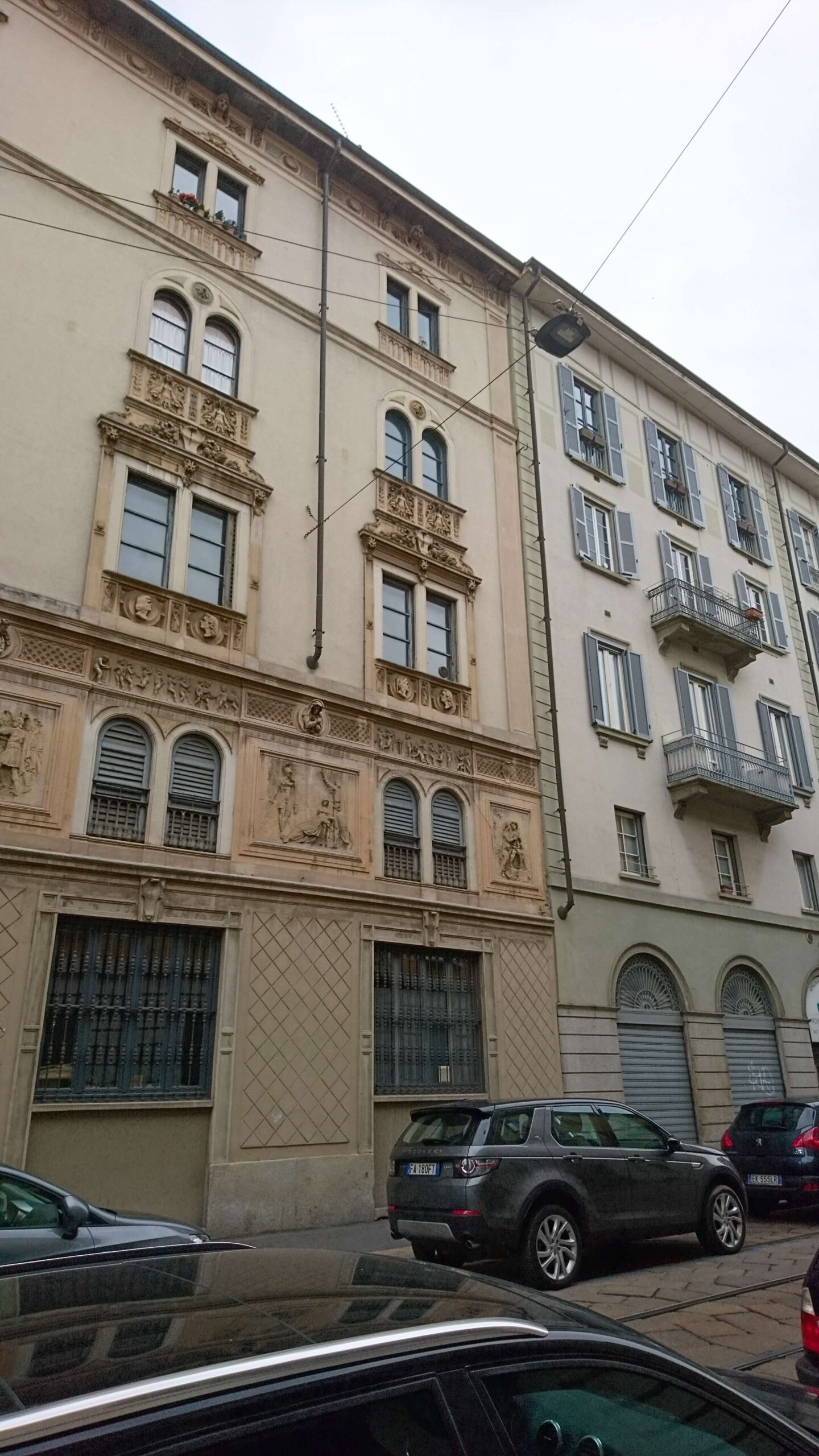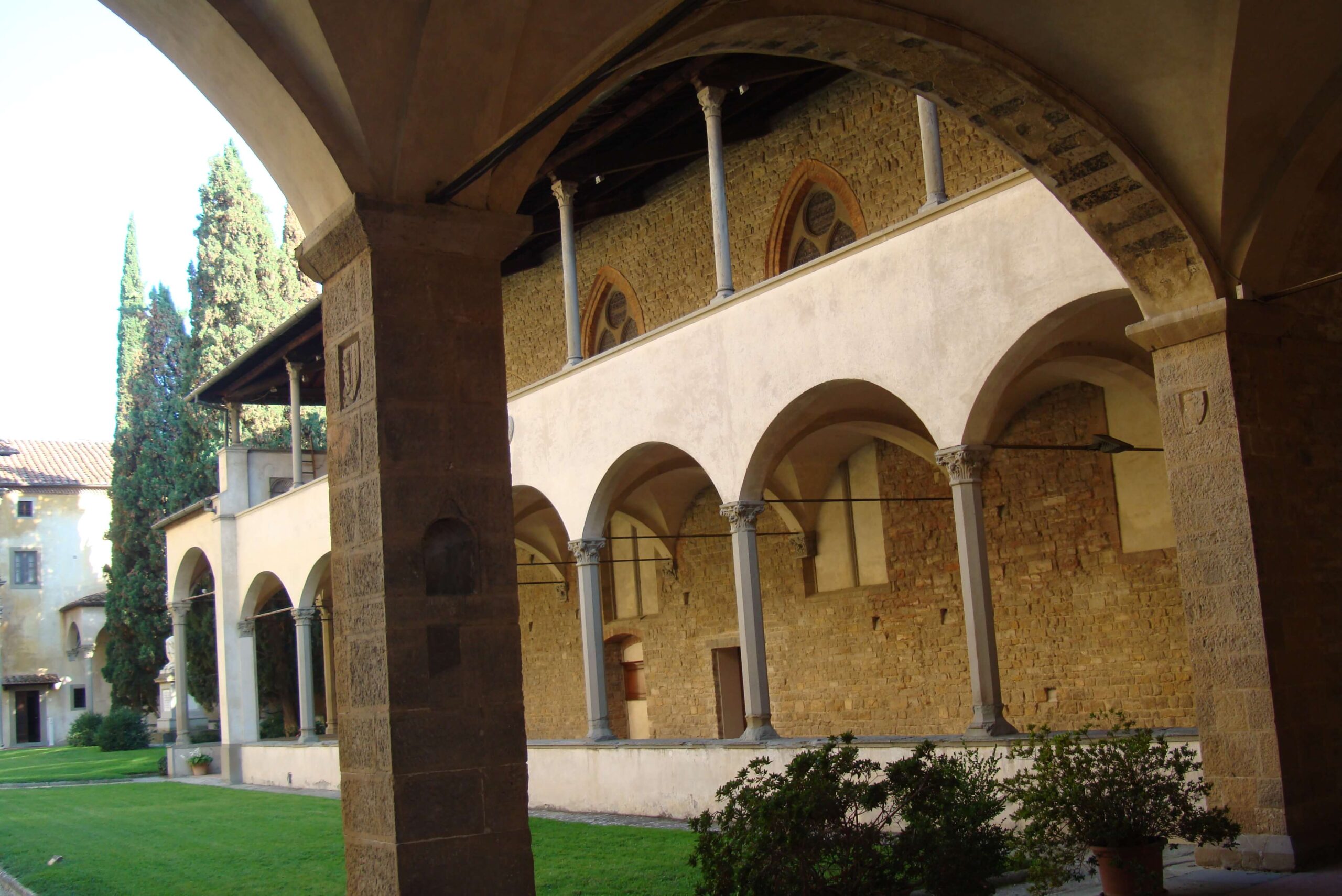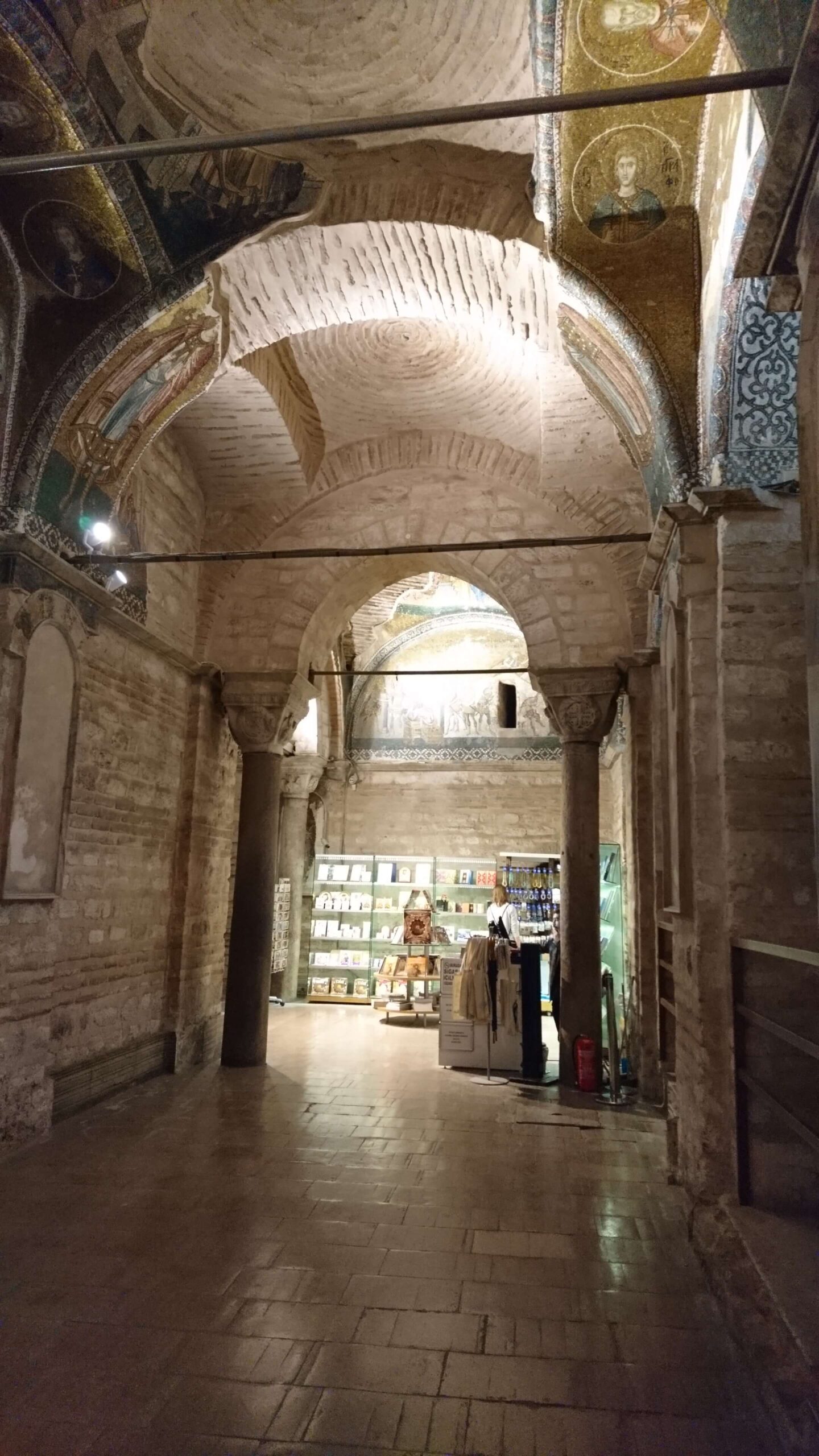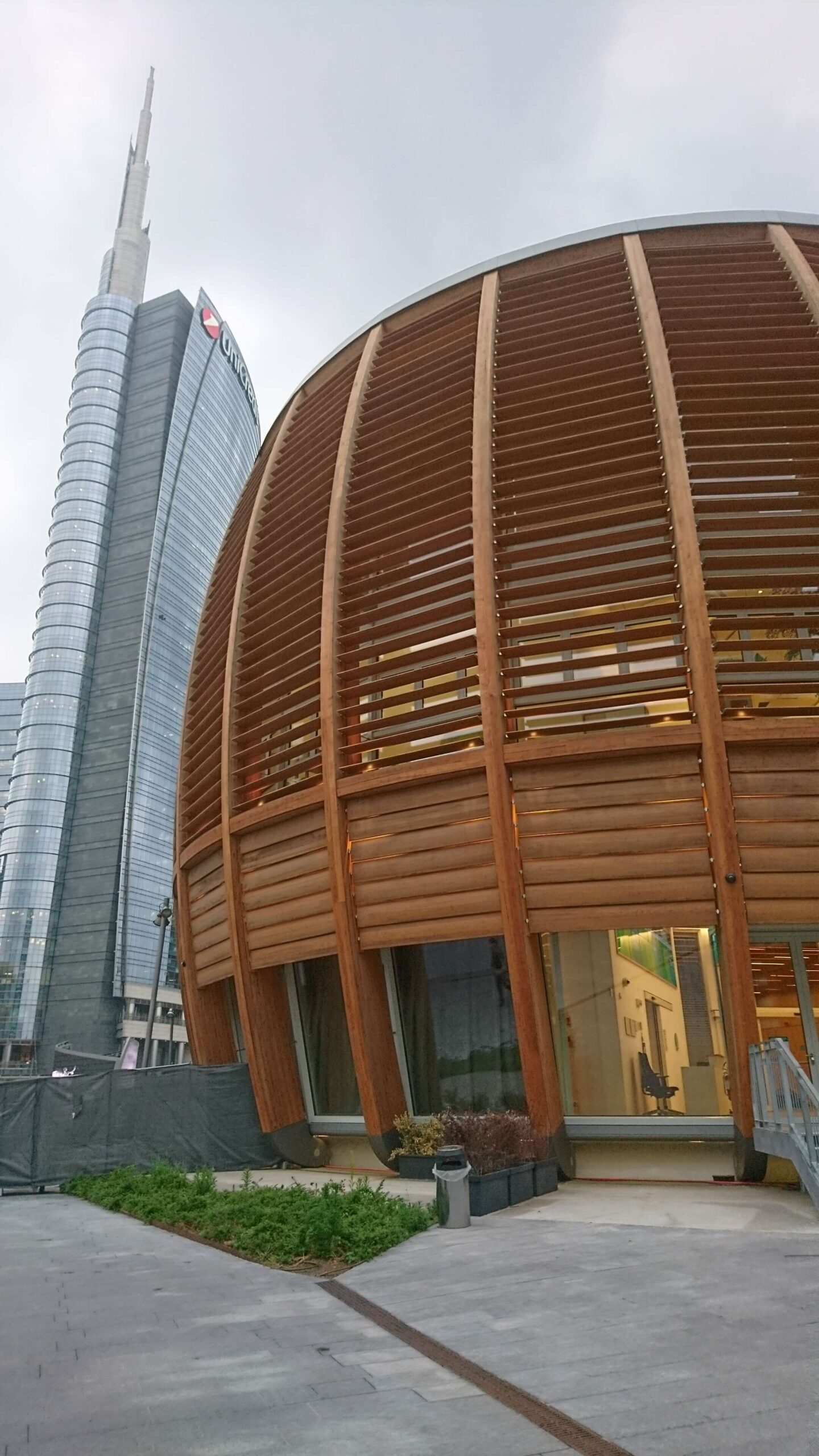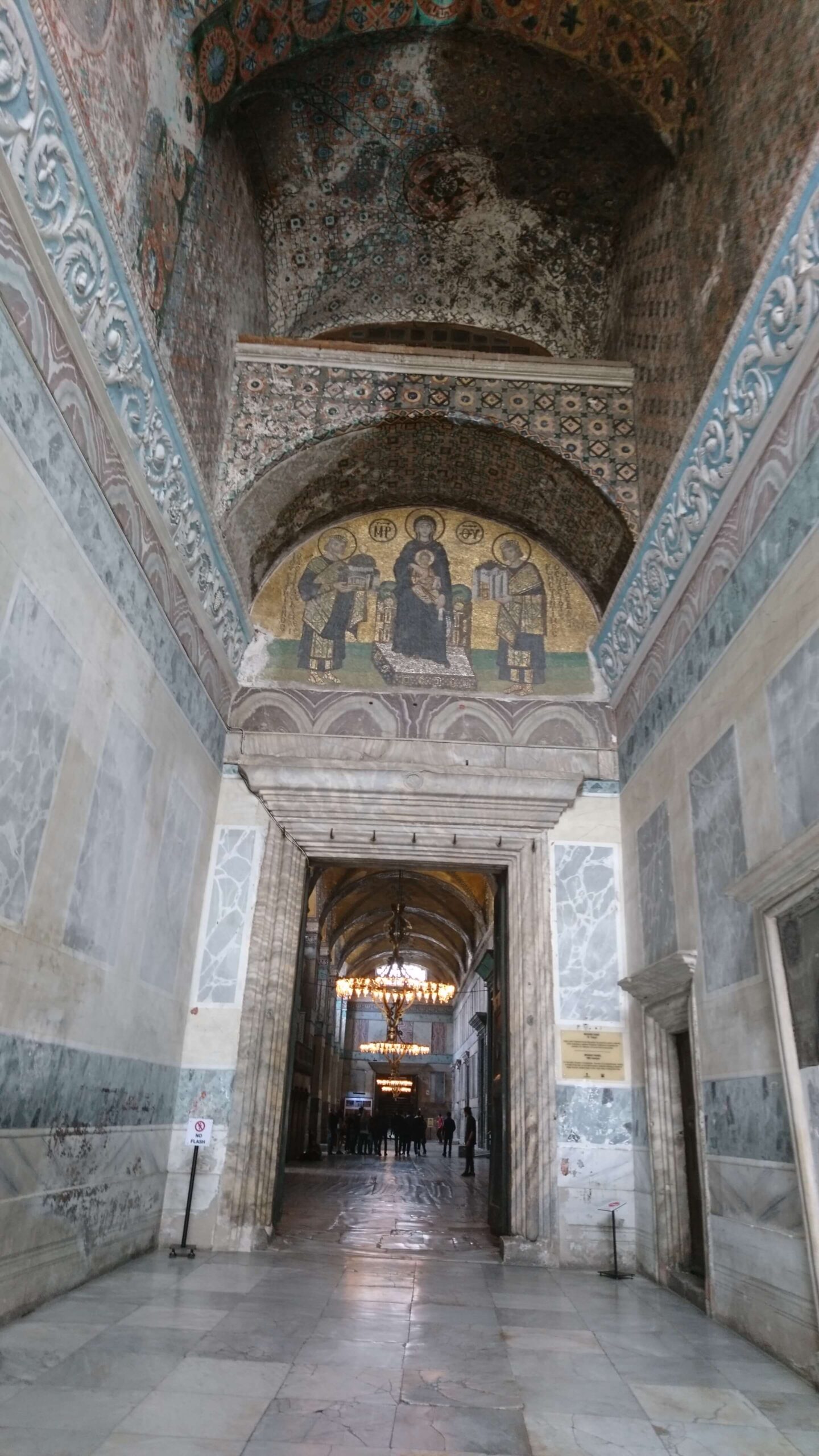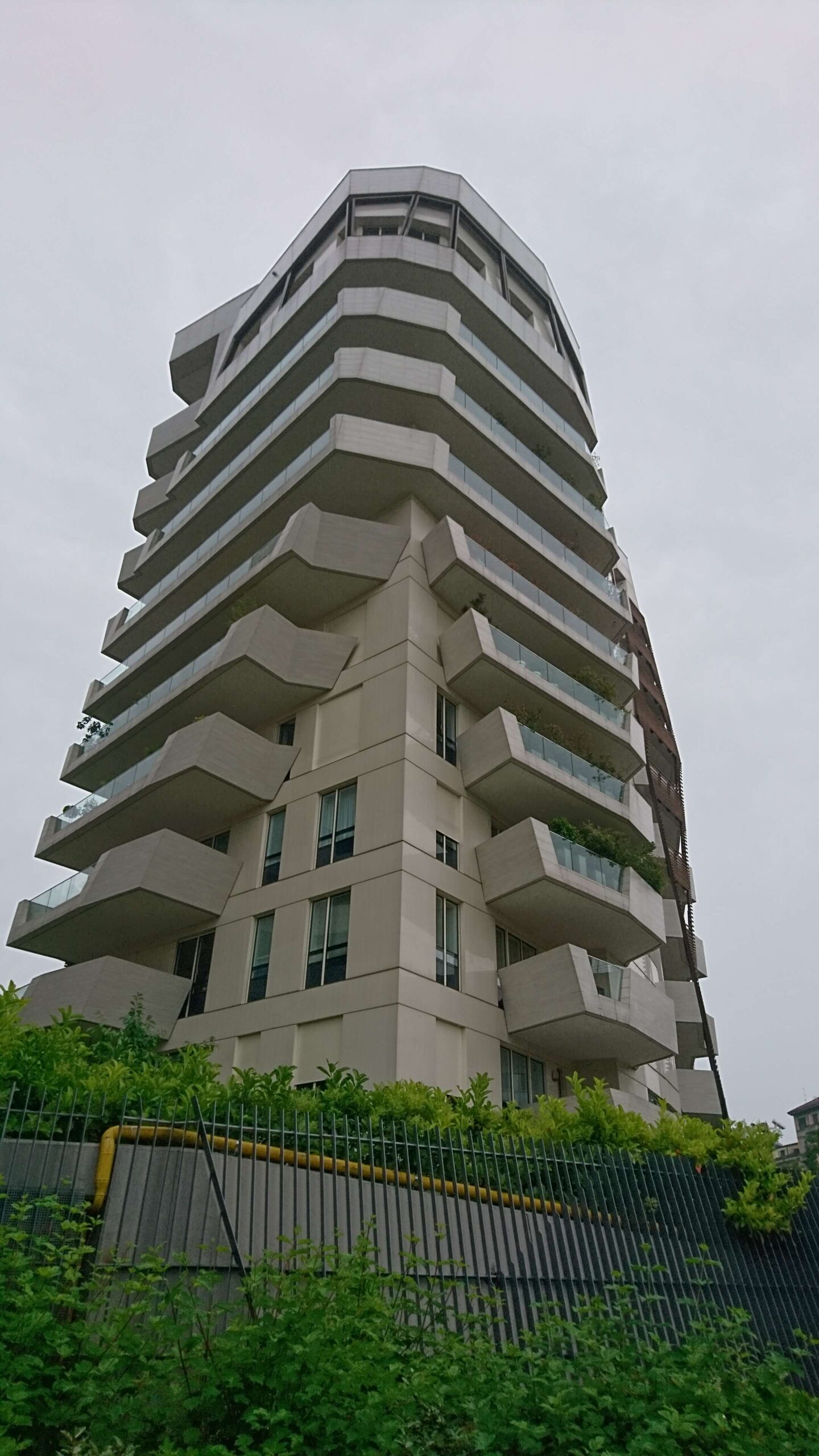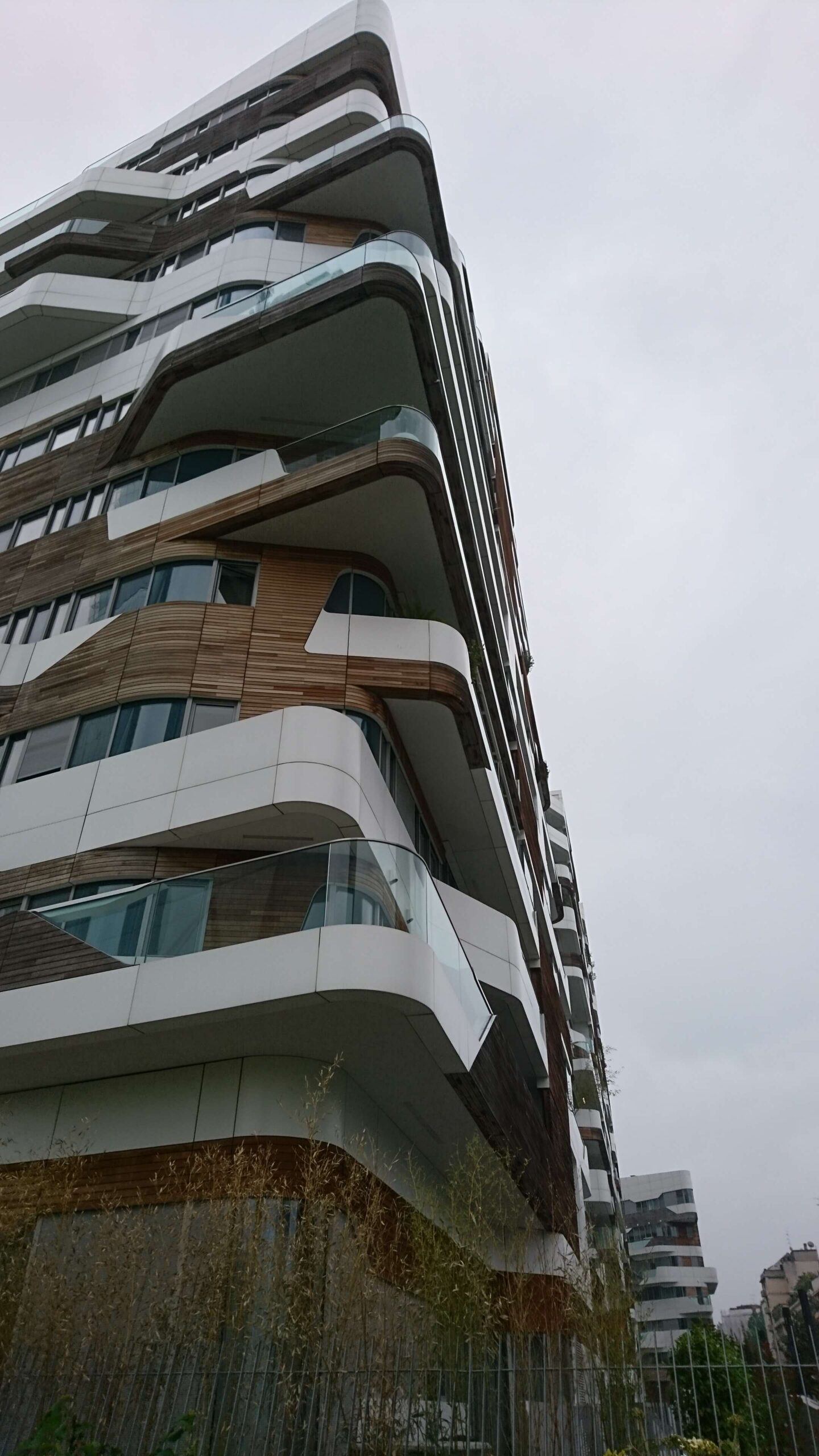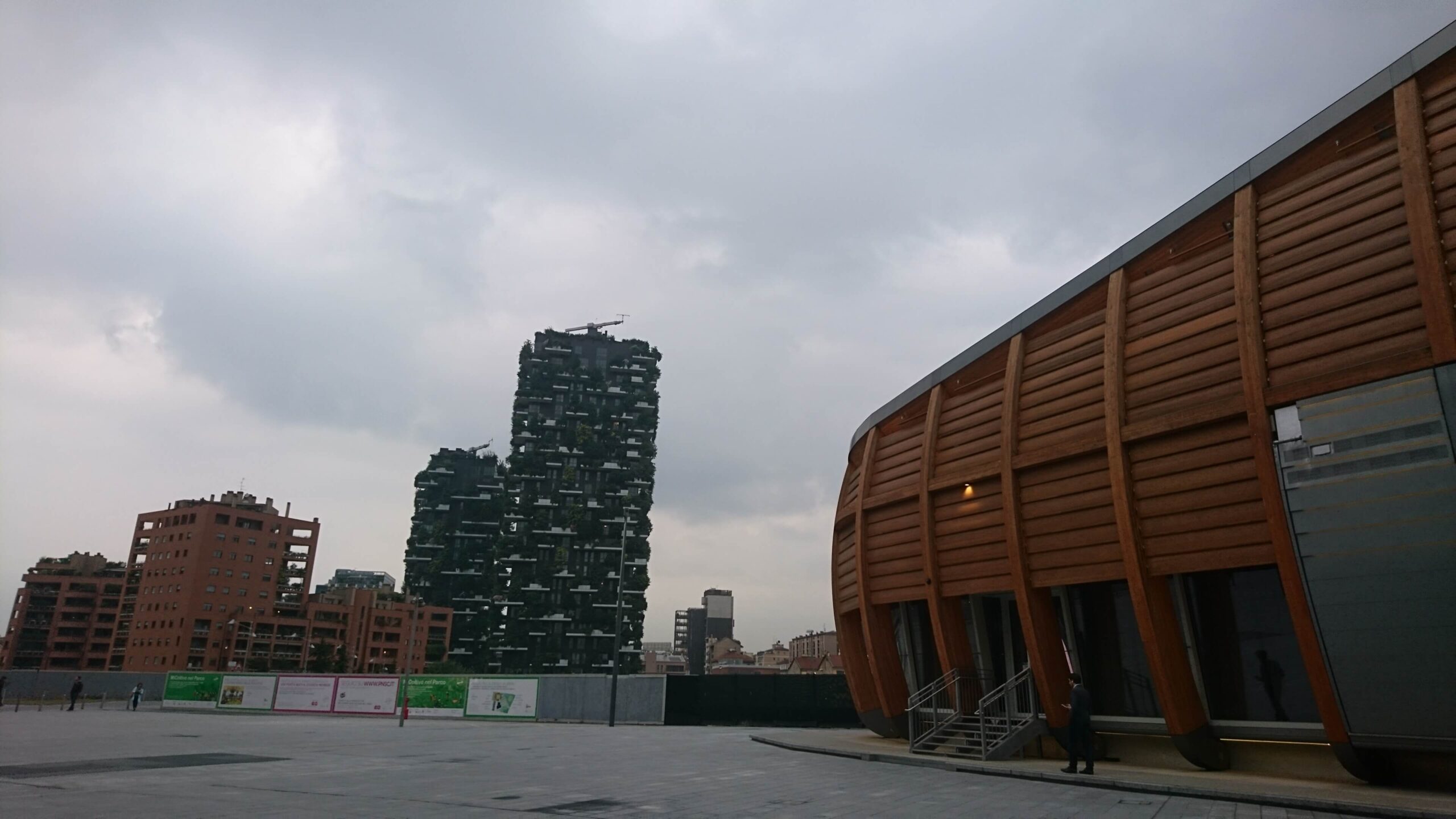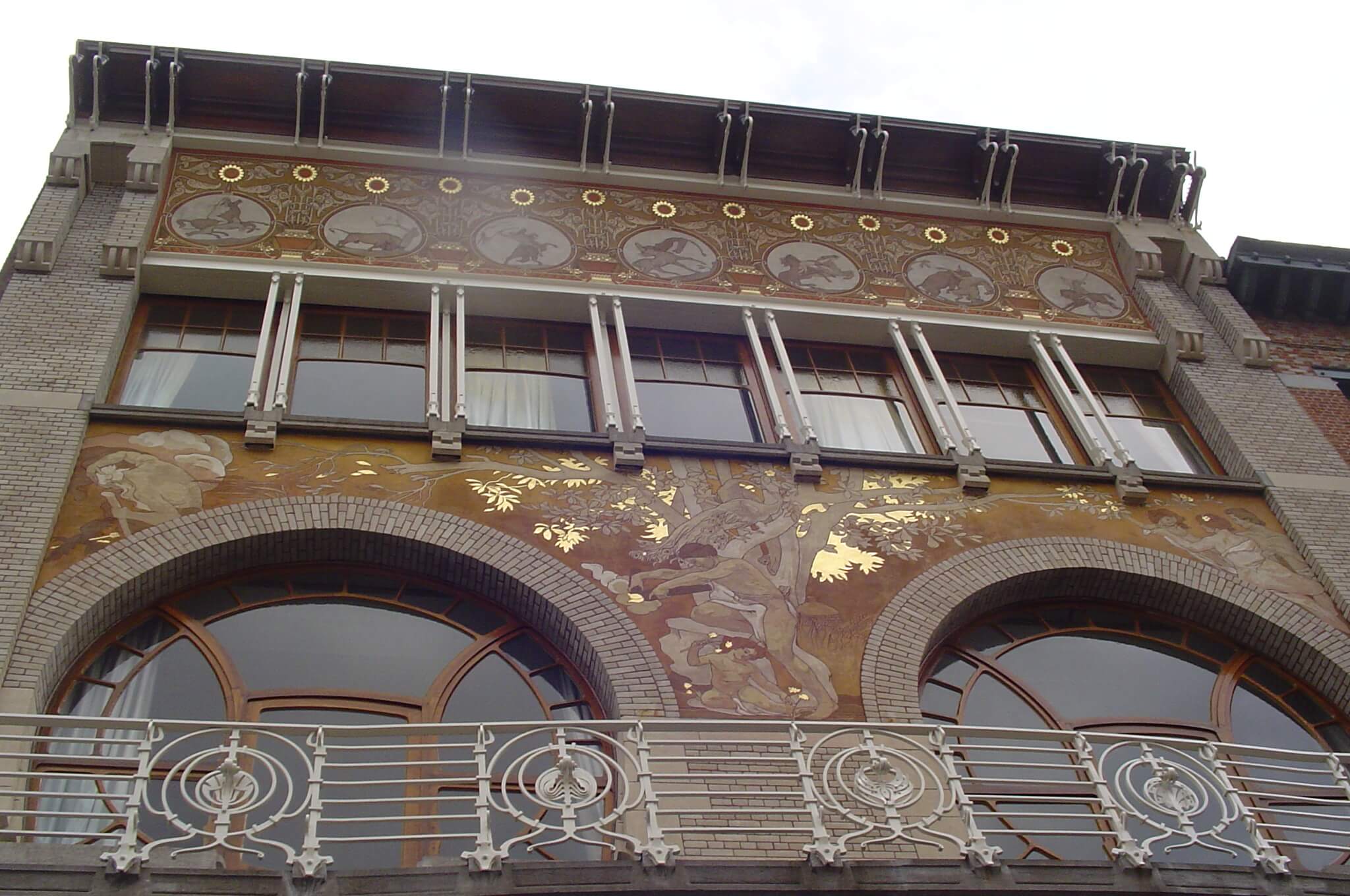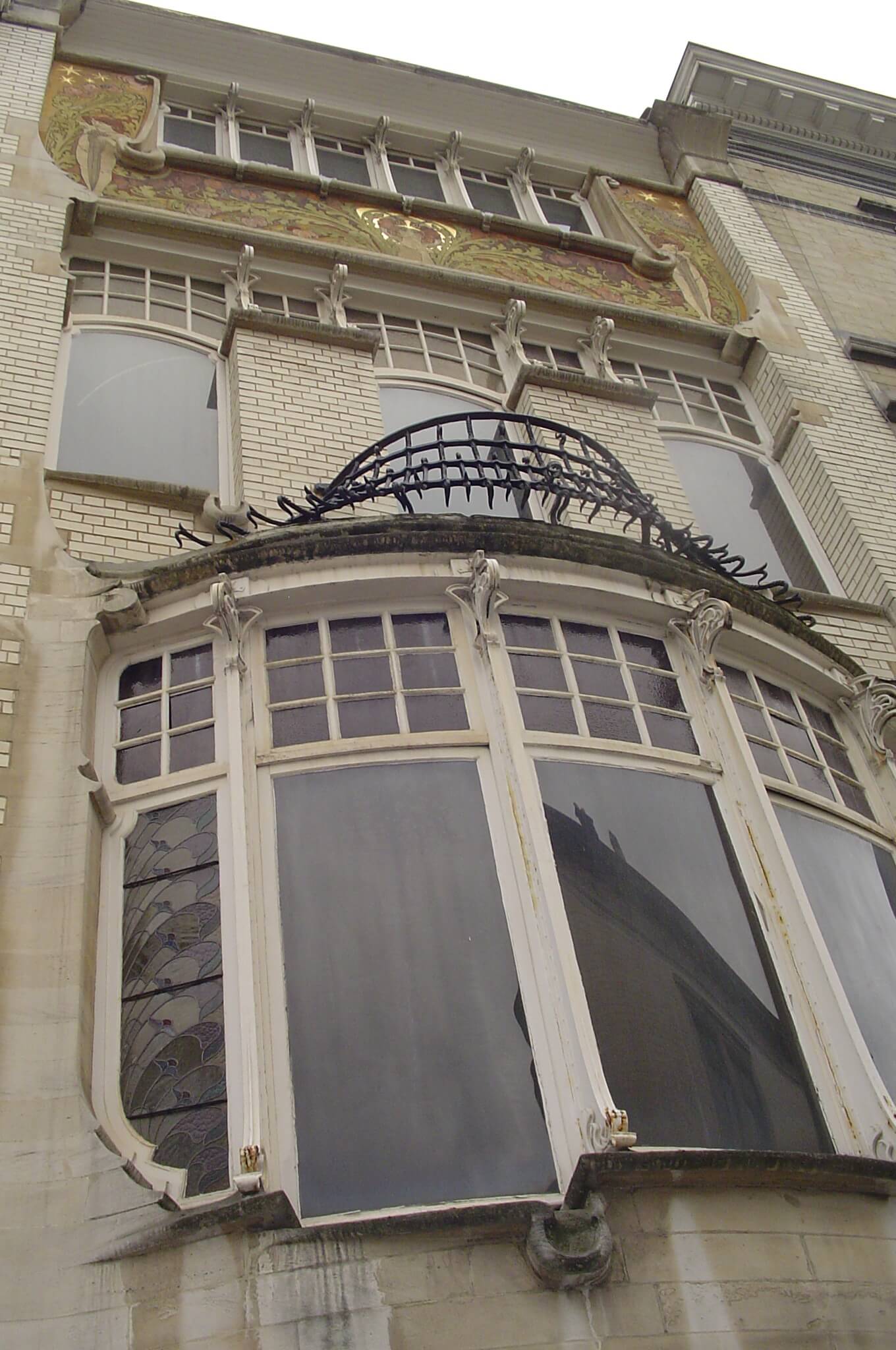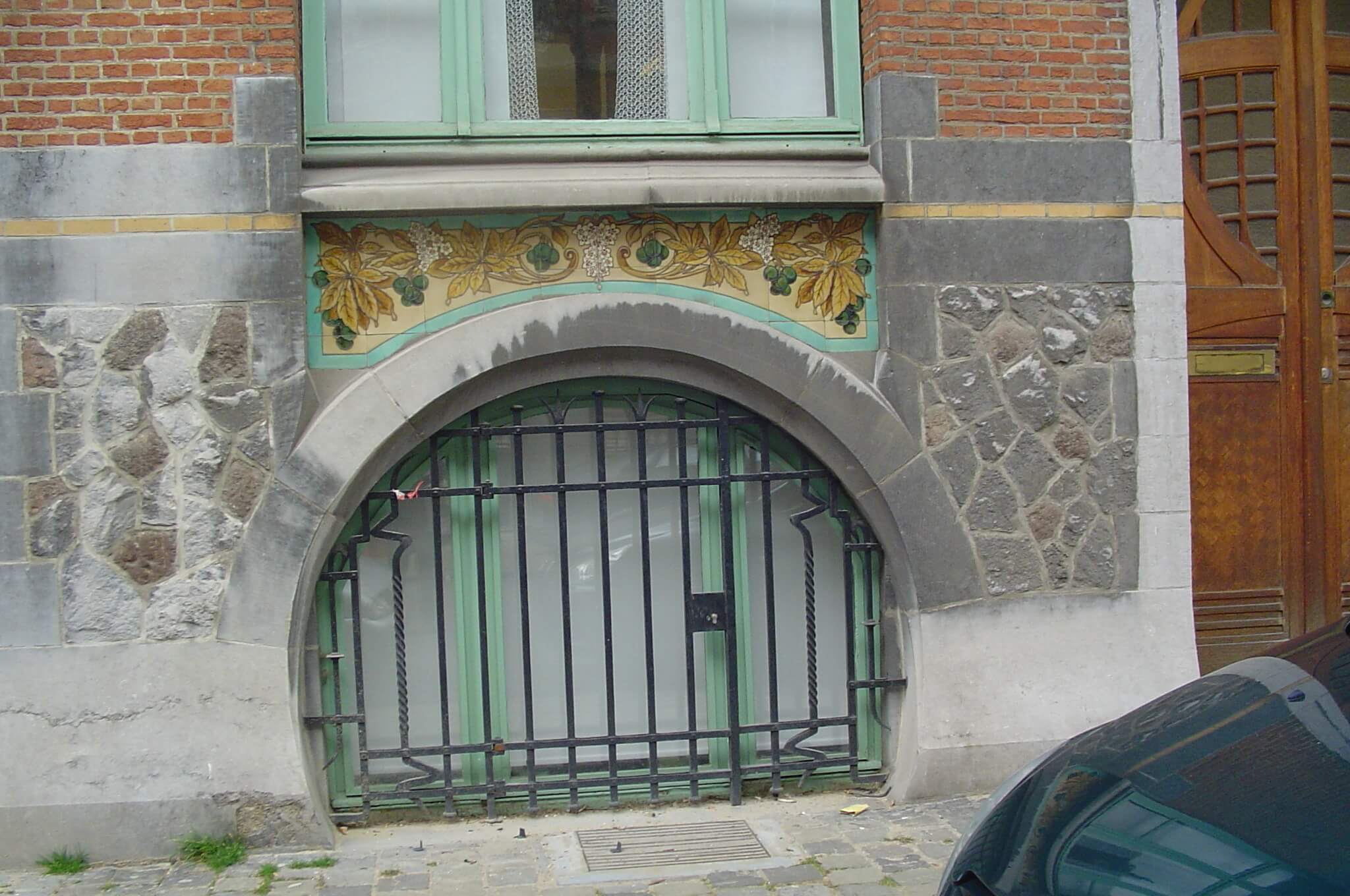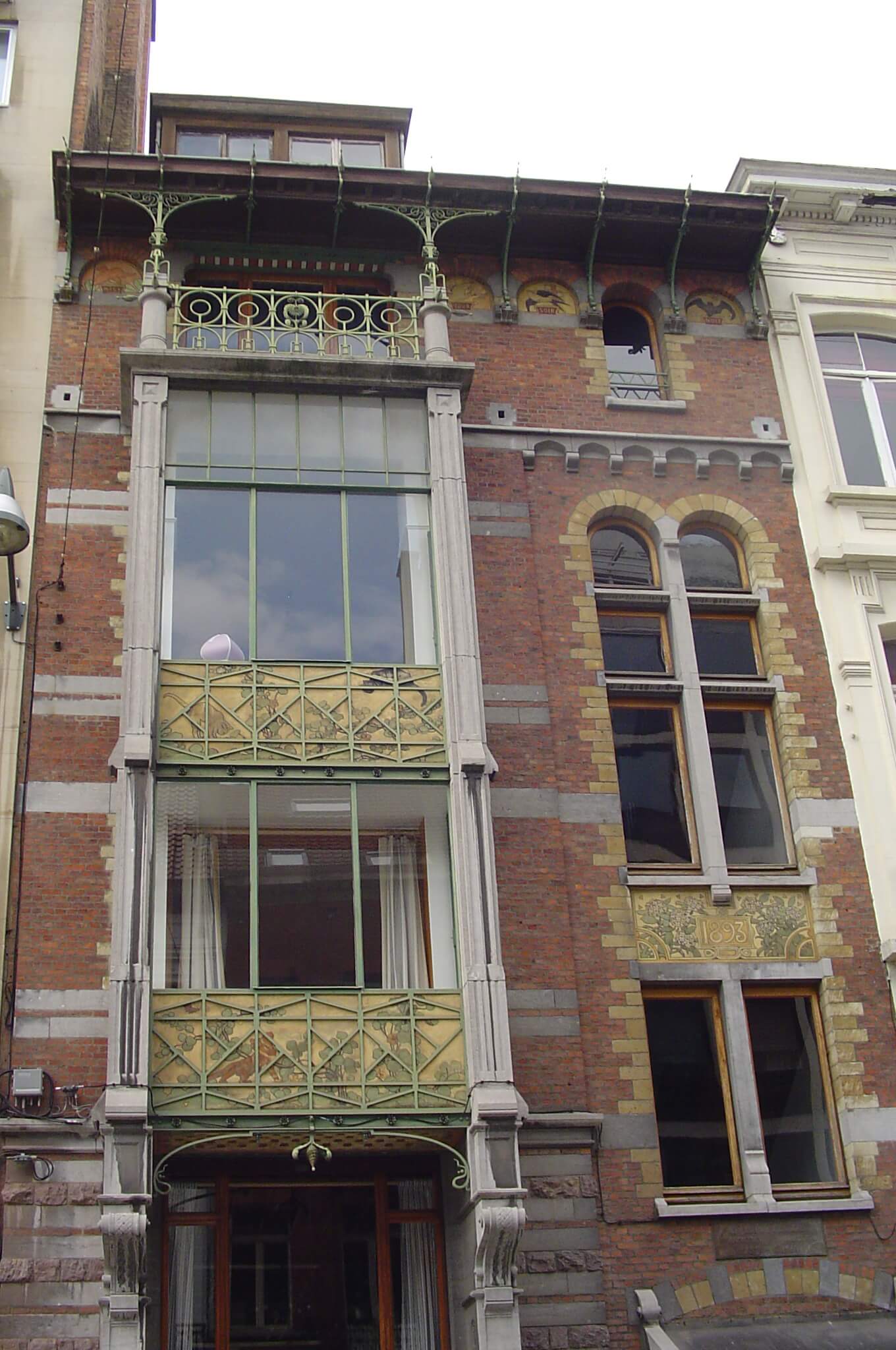

I’ve heard it more than once—often as a dismissive remark—that the architect’s role is merely to choose the façade color… SERIOUSLY?
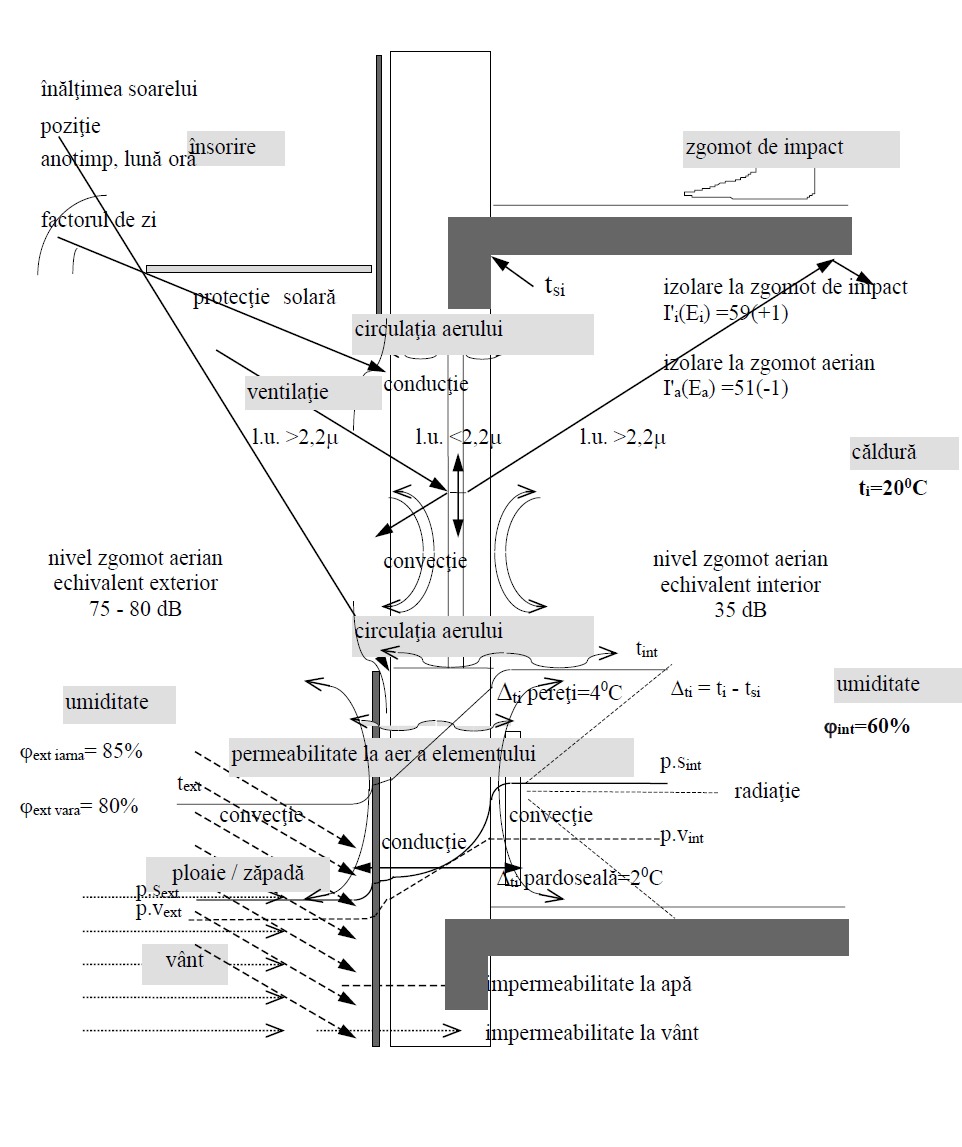
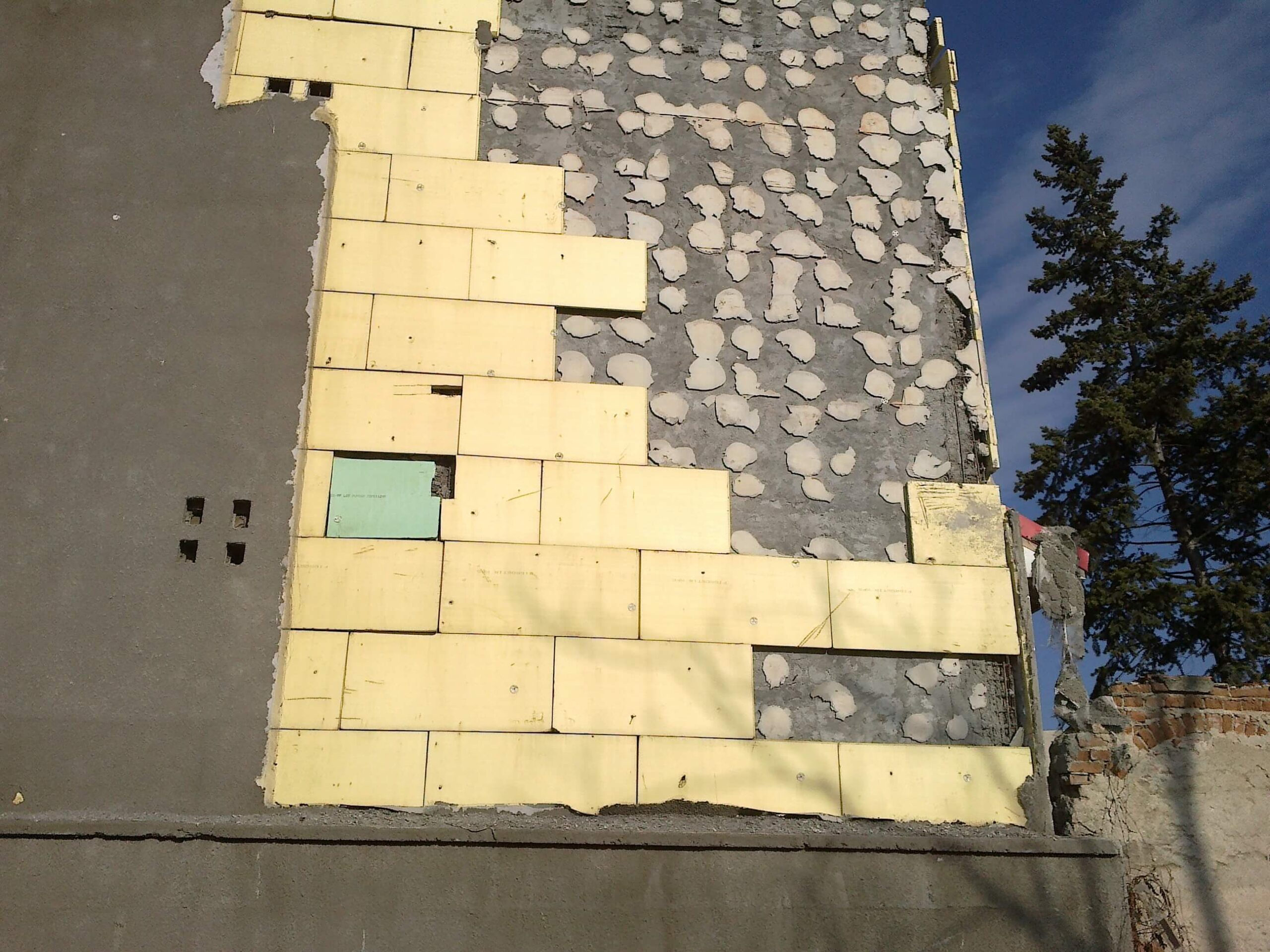
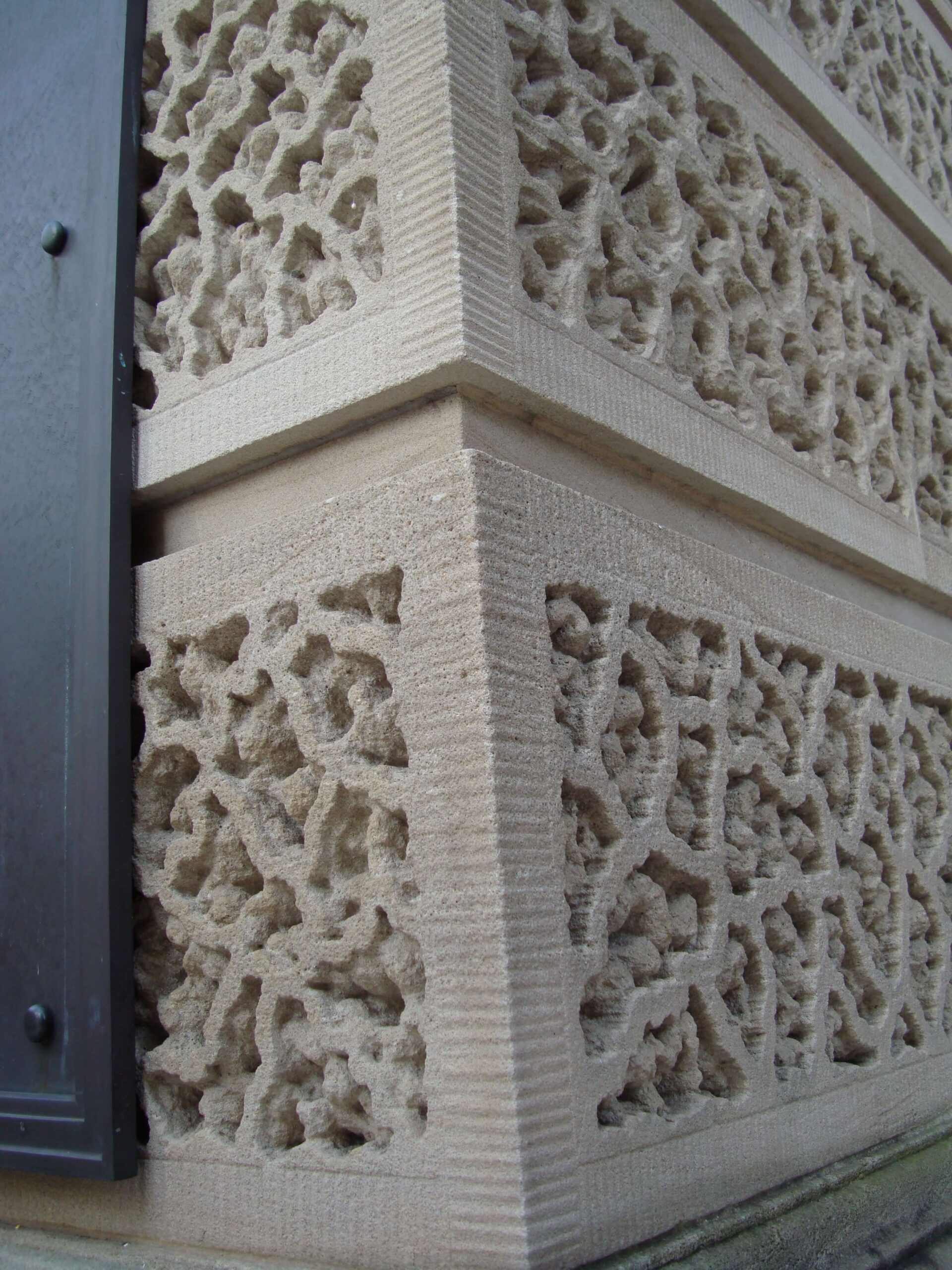
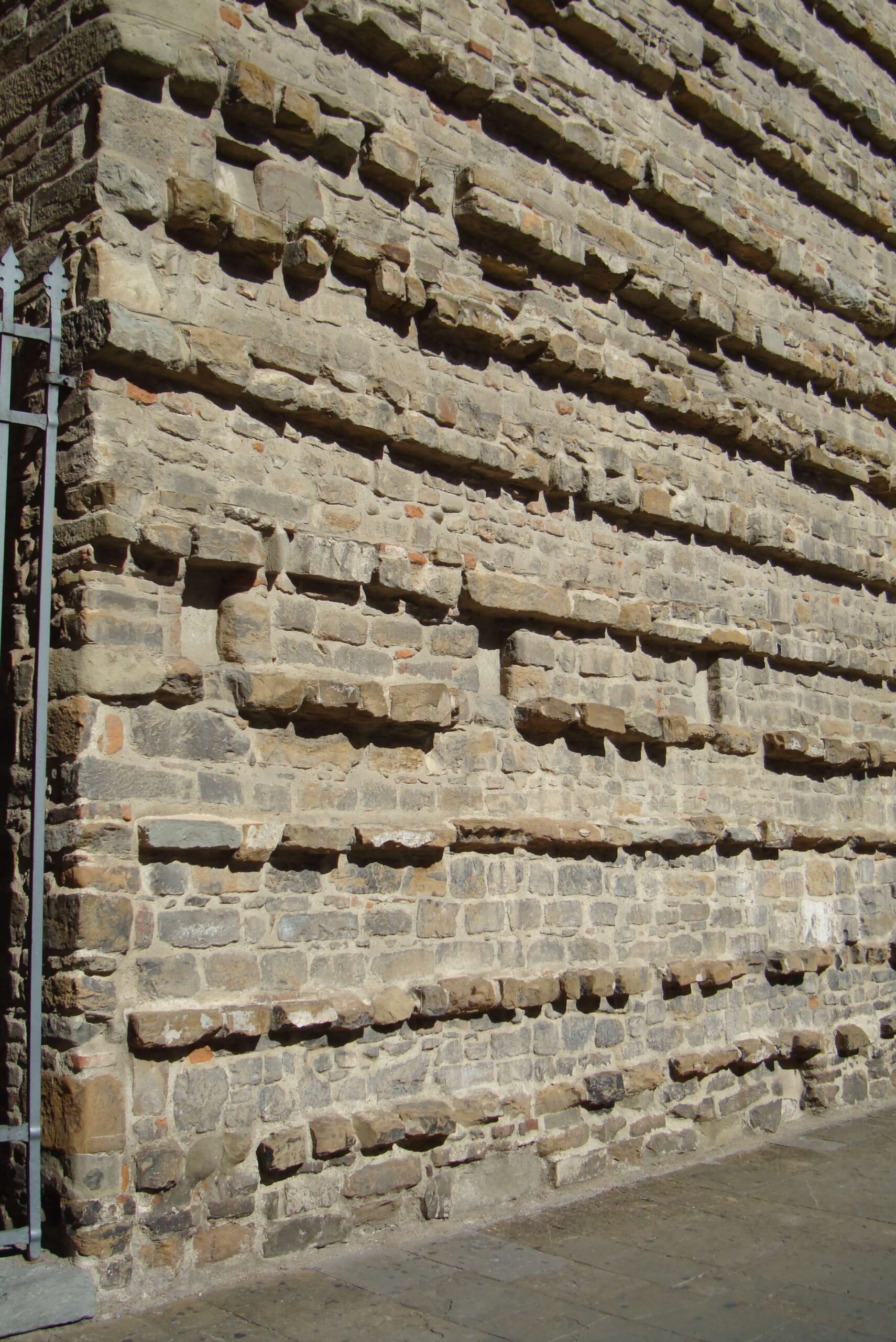
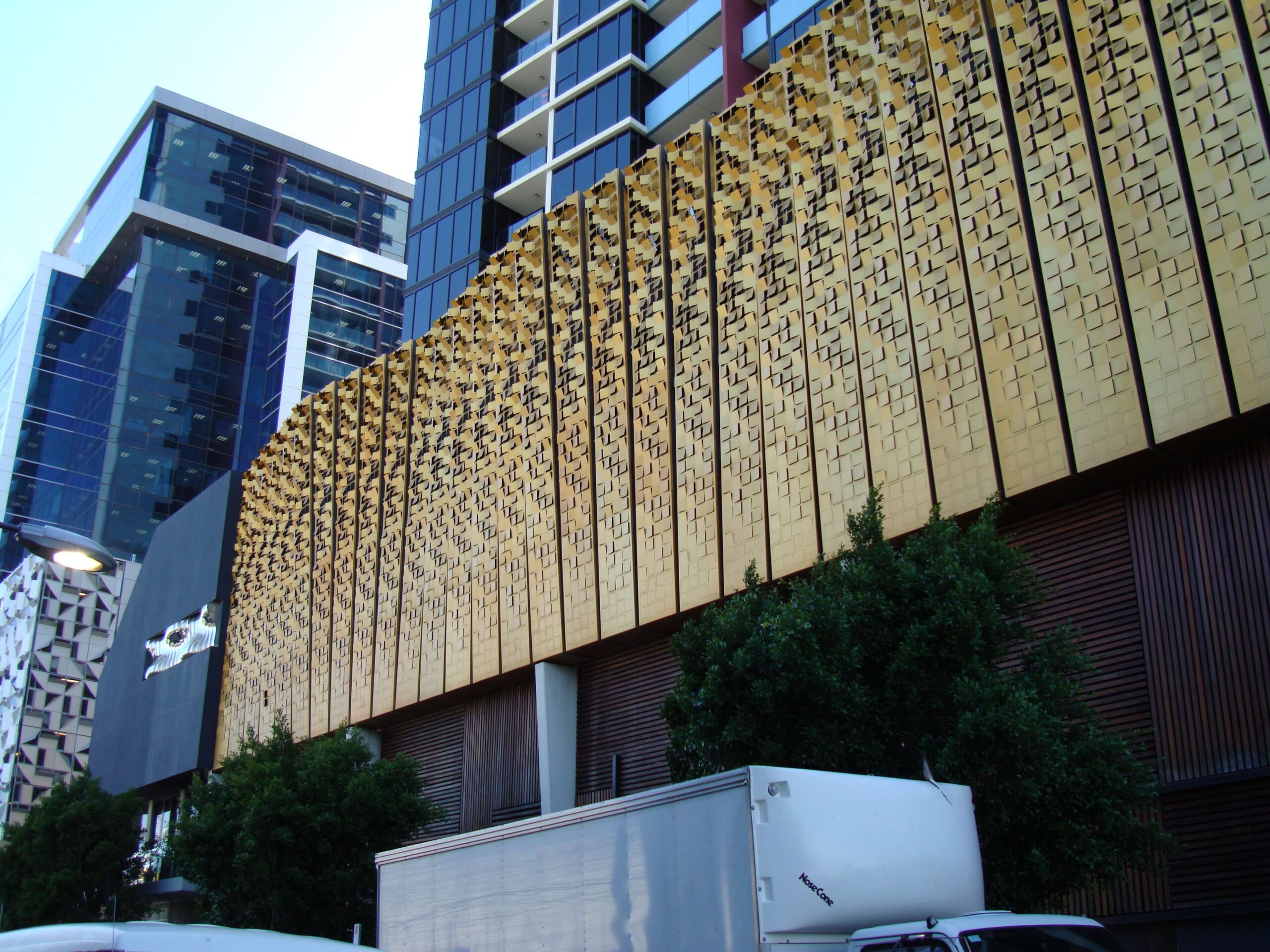
In the case of the façades as well as where ceilings and floors are concerned, there’s an entire unseen plant that works behind the finished layer, with the role of ensuring an efficient response to the multiple performance requirements. When it comes to façades—whether old or new—they are an integral part of the building’s vertical envelope. They cannot be analyzed per se but must be considered within their full context, from the outer face of the exterior wall to the inner surface, taking into account environmental factors and the required interior performance levels.
Each façade system interacts with specific types of walls, works well with certain materials, and—perhaps even more importantly—is incompatible with others.
As previously mentioned, behind façade finishes lies a hidden system that must be designed to ensure hygrothermal performance, acoustic comfort, and fire safety.
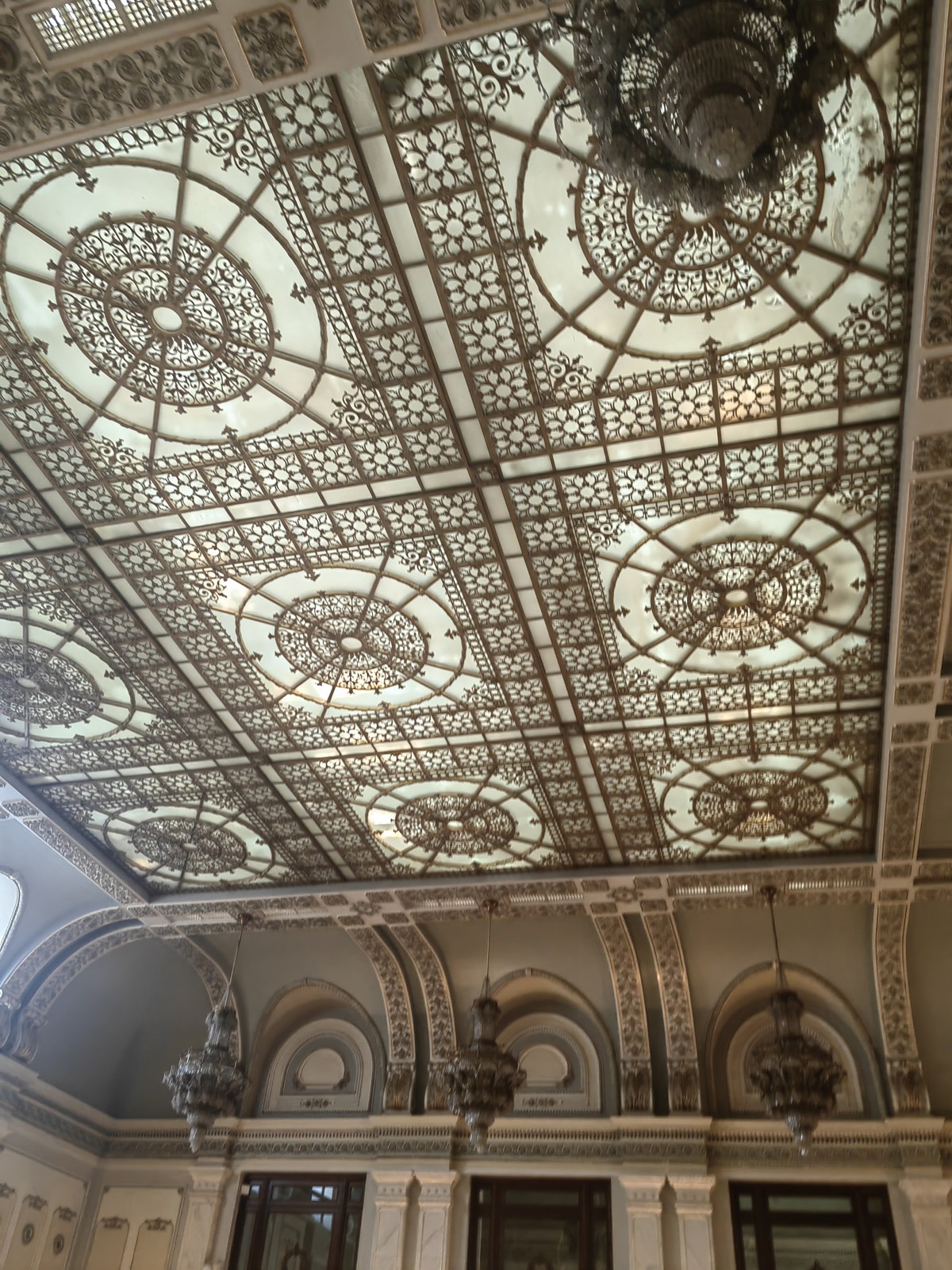
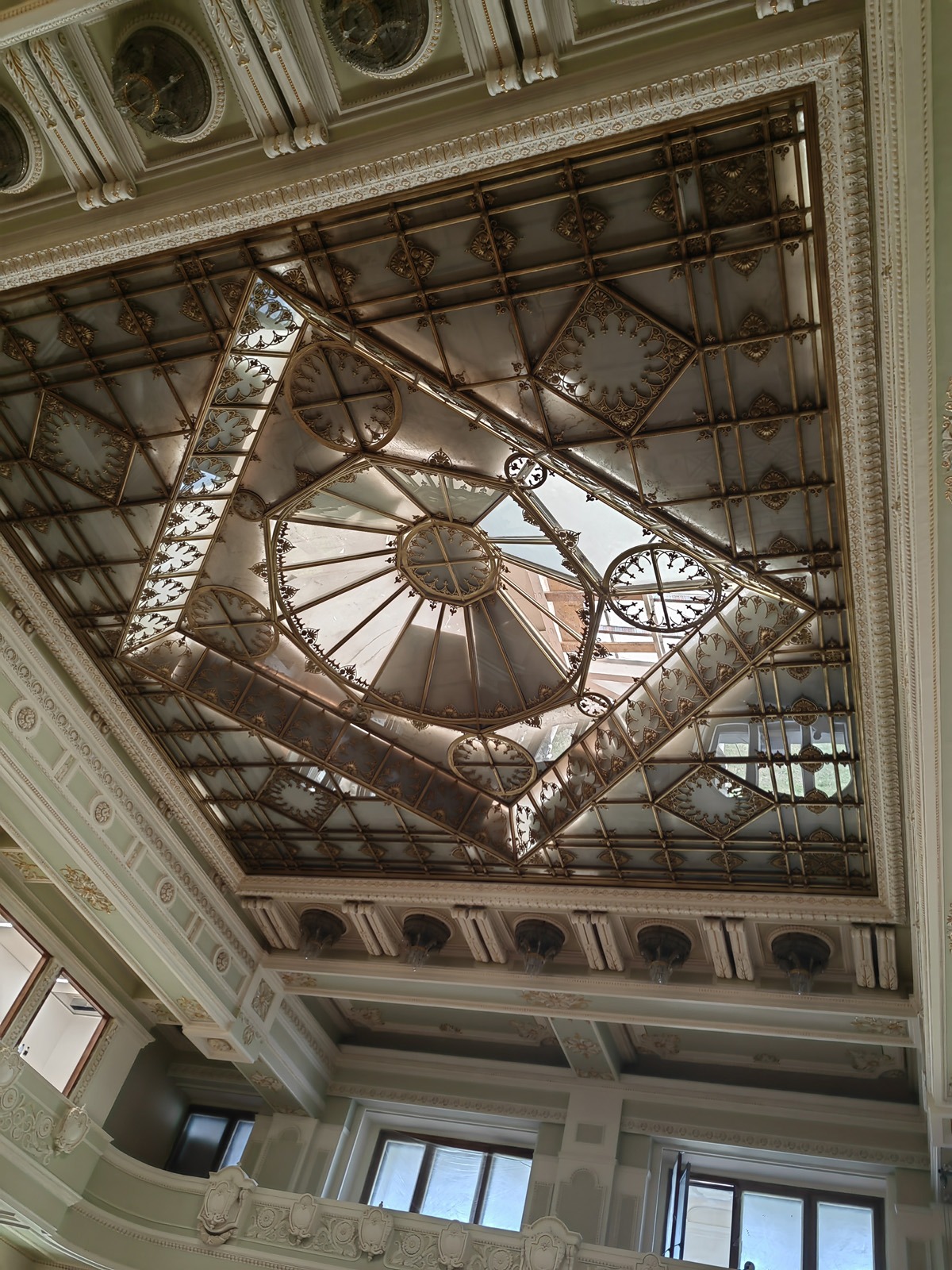
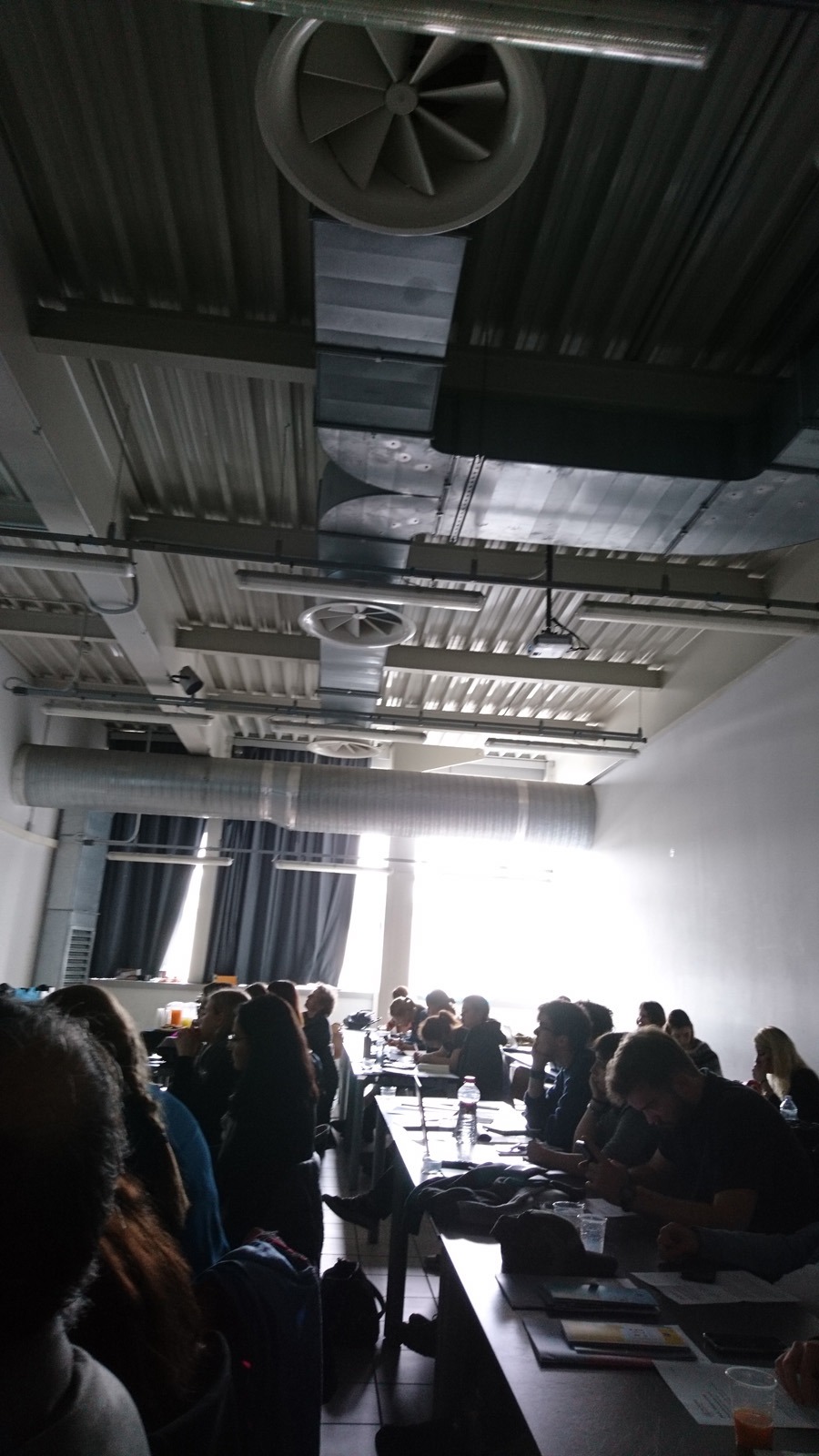
Behind the ceilings - and sometimes even behind the floor finishing - run authentic pipelines of installations, which we usually prefer to keep concealed. However, the Georges Pompidou National Art and Culture Center, designed by Renzo Piano, Richard Rogers, and Peter Rice and inaugurated in 1977, proves that exposed installations can become part of a building’s artistic expression.
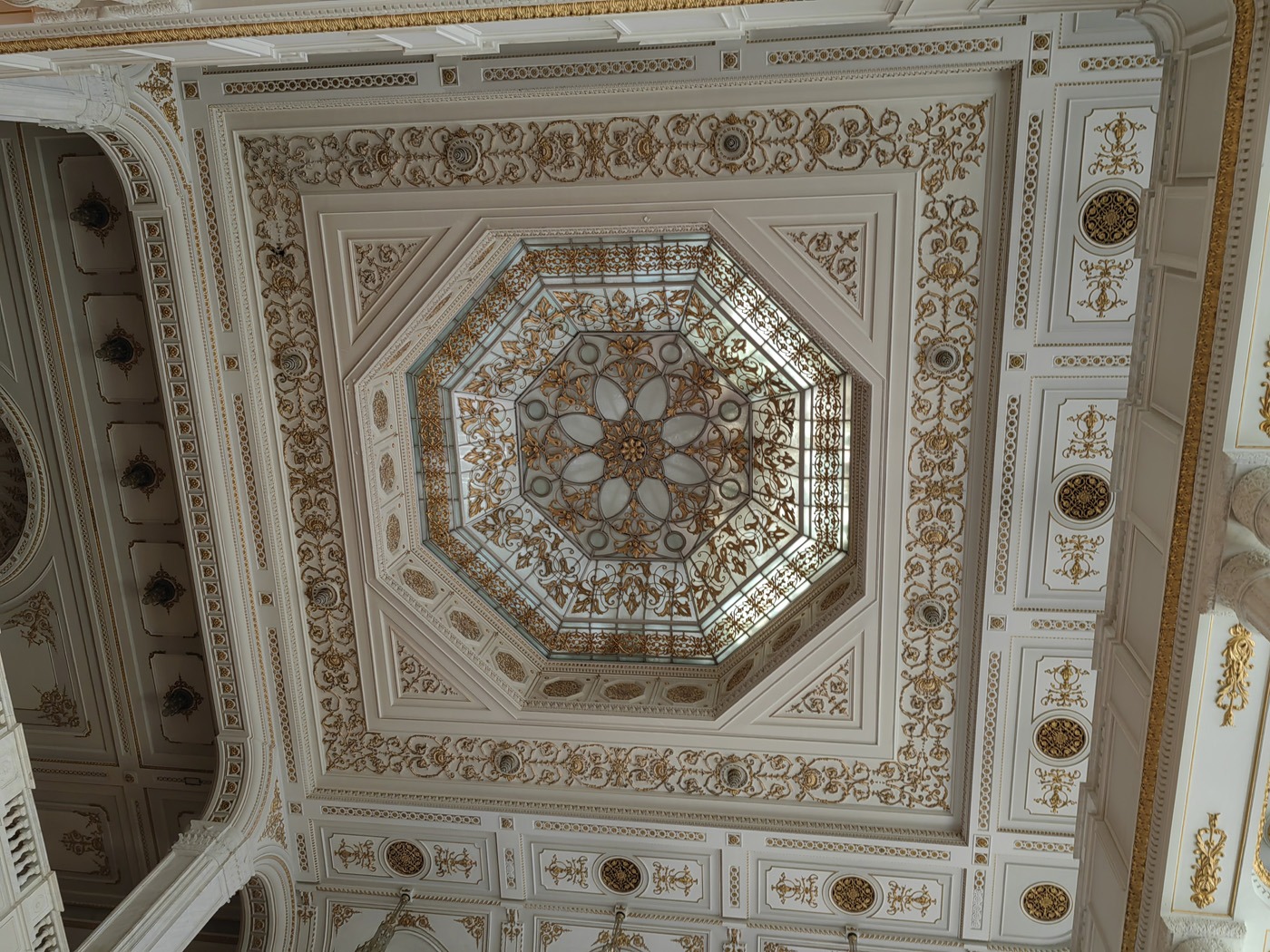
It’s also crucial to note that ceilings, like walls and floors, play a major role in indoor comfort. The volumetric configuration is the first step; the solid-to-void ratio is the next one. From there… an entire world unfolds, where natural sciences, construction materials, and technology intersect.
A poorly designed or incorrectly executed configuration, ill-advised modifications during maintenance will inevitably lead to building pathologies that are difficult, sometimes impossible, to correct.
For this reason, before enrolling in this course, we strongly recommend having prior knowledge of building physics (thermal-hygro-ventilation, light, and sound).
This course is not exclusively for architects but for all partners involved in the construction process—designers, contractors, system manufacturers, technical university students, and anyone eager to learn.